Standing in a half-packed living room wondering exactly what you’re paying for is a common moment right before a move. What do movers do covers more ground than most people expect. Understanding the full scope helps you plan better, avoid surprises, and get through moving day without the usual chaos.
At Chamomile Go, proper planning and knowing exactly what’s included in a mover’s job saves real time, cuts down stress, and keeps your belongings protected the whole way through. From wrapping fragile items to hauling heavy furniture, the actual job covers a lot more than just driving a truck.
Understanding the Role of Movers

Moving isn’t just loading boxes and hitting the road. Professional movers take on several responsibilities that keep your things safe and the whole process running smoothly, and knowing what to expect ahead of time makes the decisions around your move a lot easier.
Key Mover Responsibilities
Mover responsibilities generally break down into a handful of core tasks.
- Packing and unpacking — many movers wrap and box items directly, including fragile pieces like glassware, electronics, and artwork
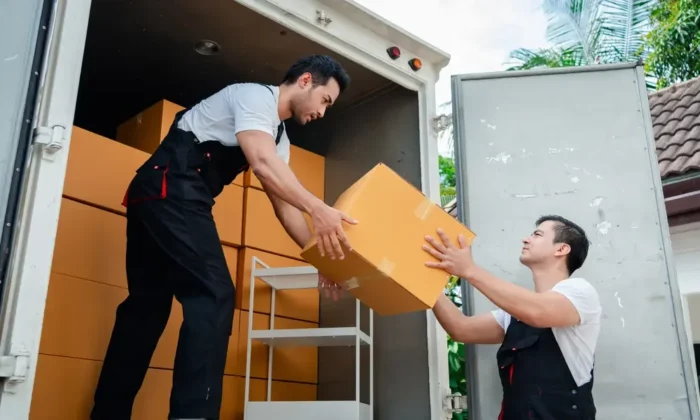
- Loading and unloading — furniture and boxes get loaded onto the truck using techniques built to prevent damage
- Transporting belongings — items travel to the new location under supervision, kept secure the entire drive
- Setting up at the new home — some companies help place furniture and unpack essentials, so the first day in a new space feels less overwhelming
Understanding these responsibilities upfront makes it a lot easier to decide which parts you want handled for you and which parts you’d rather do yourself.
How Movers Work
Initial Assessment and Estimate
Before the actual move starts, most professional movers walk through your home first. That usually means measuring furniture, counting boxes, and flagging anything unusual, a piano, an antique, whatever needs extra care. From there, an estimate comes together based on total items, distance to the new place, and any add-on services like packing or temporary storage.
This step matters more than people expect, it’s what keeps your budget accurate instead of guessing and getting hit with surprise charges later.
Packing Process
Packing eats up more time than almost anything else in a move. Experienced crews rely on real materials, bubble wrap, packing paper, boxes built for oddly shaped or fragile items, and covers for mattresses and furniture. Knowing how to pack efficiently isn’t just about protection, it’s also about making the most of every inch of space in the truck.
Loading and Transport
What do movers do at this stage comes down to loading boxes and furniture with weight distributed evenly and everything secured so nothing shifts mid-drive. Heavier items get handled with proper lifting techniques and the right equipment, protecting both the items and the people carrying them. Once everything’s loaded, the truck heads to the new home with your things riding safely the whole way.
In areas like Sherman Oaks specifically, local traffic patterns, parking restrictions, and building regulations all factor into keeping the move as smooth as possible.
Unloading and Setup
Once the truck arrives, movers unload everything, place furniture where you actually want it, and sometimes help unpack too. Some companies go further, reassembling furniture or reconnecting electronics. Understanding how do movers work through this final stage makes the whole day a lot more predictable instead of leaving you guessing what happens next.
Specialized Services Movers Offer
Not every move looks the same, and professional movers often offer extra services built around specific needs.
Fragile Item Handling
Mirrors, artwork, and glassware—these need real care. Padding, custom boxes, or crates all come into play depending on what’s actually being moved.
Storage Solutions
If your new place isn’t ready yet, temporary storage keeps items safe, dry, and secure until you’re able to move in properly.
Packing Supplies and Tools
Some movers, Chamomile Go included, supply the boxes, tape, padding, and tools needed to pack everything properly, so you’re not scrambling to find supplies mid-move.
Long-Distance and Specialty Moves
Crossing state lines adds real complexity, route planning, permits, and coordination with third-party carriers all come into play. This is exactly where professional movers earn their value most, handling logistics that would otherwise eat up your entire week.
For packing services in Los Angeles, contact no other than Chamomile Go.
How Much Does Hiring Movers Typically Cost?
Cost varies a lot depending on distance, home size, and which services you’re actually adding on. A local move within the same city typically runs less than a long-distance relocation, and full-service packages that include packing and unpacking cost more than a straightforward load-and-transport job.
Getting a written, itemized estimate before booking anything is the best way to avoid surprise charges once the move is already underway. Most reputable movers will walk through pricing clearly upfront rather than leaving you guessing.
Common Questions About Movers
What Do Moving Companies Do?
Professional moving companies offer more than transportation alone. Packing, loading, unloading, setup, and sometimes even insurance coverage for your belongings during transit all fall under what do moving companies do in a full-service arrangement. Knowing this range helps you pick the right service package instead of paying for more, or less, than you actually need.
How Much Should I Tip Movers?
Tipping isn’t required, but it’s a common gesture. A general guideline runs $20 to $50 per mover for a full-day move, adjusted based on service quality and how demanding the job actually was.
Can Movers Handle Heavy or Bulky Items?
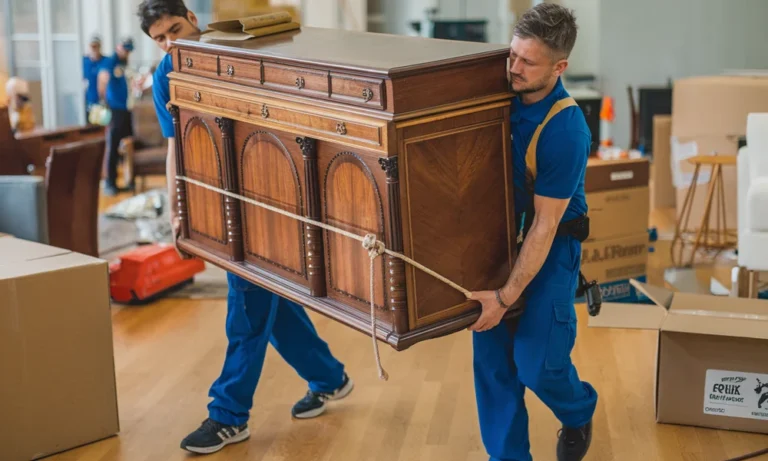
Yes. Movers are trained specifically for heavy items, pianos, large furniture, major appliances, using the right equipment and technique to avoid both property damage and injury.
Mistakes to Avoid When Hiring Movers
A few avoidable mistakes cause real headaches on moving day. Booking too late is a common one, waiting until the last minute limits availability and often means paying more. Skipping the written estimate is another mistake, verbal quotes tend to shift once the actual move starts.
Not asking about insurance coverage upfront leaves you exposed if something gets damaged in transit. And failing to flag specialty items, a piano, an antique, anything unusually fragile, before the move means the crew shows up without the right equipment to handle it properly.

Tips for a Smooth Move
A few simple habits make the whole day easier. Label boxes clearly, noting fragile items and which room each box belongs to. Pack an essentials box with what you’ll need immediately at the new place.
Communicate any special instructions to your movers ahead of time, not on the spot. And plan your schedule around realistic arrival and unloading times instead of assuming everything will run early. Combining these habits with a reliable crew like Chamomile Go makes for a genuinely smoother move.
Final Thoughts
Understanding What Do Movers Do helps you plan and execute your move with confidence. From packing and loading to transport and setup, professional movers handle a wide range of tasks that protect your belongings and reduce stress.
Whether you’re moving locally or long-distance, taking advantage of mover services and knowing your options makes the process smoother. For expert assistance and tailored moving solutions, contact us today and make your next move hassle-free.
FAQs
Do movers provide packing materials?
Yes, many professional movers supply boxes, padding, and tape to help protect your belongings during the move.
How far in advance should I book movers?
It’s recommended to book movers at least 4–6 weeks in advance, especially during peak moving seasons.
Are movers insured?
Reputable moving companies offer insurance coverage for your items during transit. Check the policy details to understand the protection provided.
Can movers disassemble and reassemble furniture?
Yes, most professional movers can safely disassemble large furniture for transport and reassemble it at your new home, ensuring everything is handled properly.
Do movers handle specialty or fragile items?
Absolutely. Movers are trained to pack, transport, and unpack delicate items like pianos, artwork, and glassware using specialized materials and techniques to prevent damage.