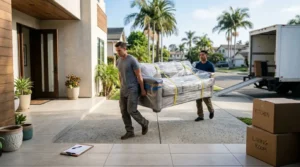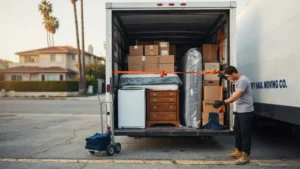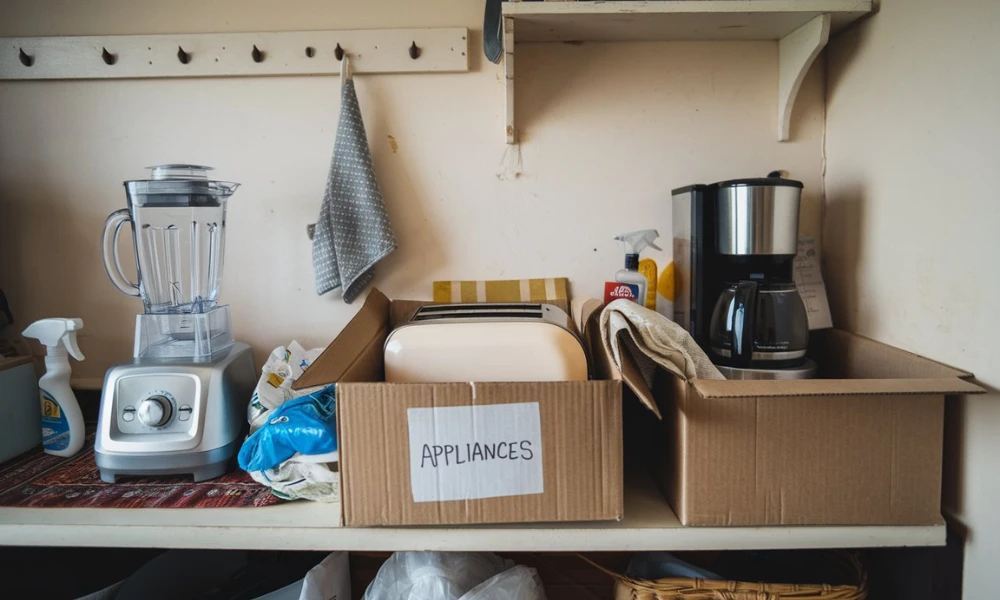
Heavy kitchen machines often turn moves into headaches. Their weight makes lifting hard, while odd shapes complicate transport through doorways. Mishandling risks breaking fragile inner parts during transit. Packing them right matters whether shifting across town, tucking away in storage, or crossing states. Proper wrapping reduces dings, fluid spills, surface marks, and expensive fixes later on.
Packing up kitchen gadgets? This guide walks through how to handle everything – from fridges and coffee machines to blenders and microwaves – without a hitch. Instead of rushing, take time to wrap each piece carefully. Because even small mistakes can lead to big damage. So step by step, it shows the smartest moves. Not every method works for all items. Yet some tricks fit nearly any appliance. Whether bulky or compact, each has its own needs. Since drops happen, padding matters more than speed. While boxes matter, so does what goes inside them. With clear steps, nothing gets left to chance.
Proper Packing Makes a Difference
Most kitchen gadgets cost a lot, yet their inside parts break easily. Mistakes during use might result in:
- Broken shelves and glass parts
- Wiring that got hurt. Motors not working right anymore
- Scratched surfaces
- Bent doors and handles
- Water leaks during transport
Besides shielding your items, careful wrapping of kitchen gadgets simplifies the move. Though small effort upfront, it prevents damage later.
Additional benefits include:
- Preventing internal damage
- Keeping appliances clean
- Reducing shifting during transportation
- Making unpacking quicker and easier

What to Have Ready Before You Pack
Start by collecting what you need. Then check each item matches the task ahead.
Recommended packing supplies:
- Strong moving boxes or appliance cartons
- Heavy-duty packing tape
- Bubble wrap
- Packing paper
- Moving blankets or furniture pads
- Plastic bags for loose parts
- Foam corner protectors
- Labels and permanent markers
- Straps or tie-downs for transport
Packing kitchen gadgets safely often starts with solid supplies that hold up during travel. A strong box plus careful wrapping means fewer broken items when unloading.
Read More: How To Move Bulky Kitchen Appliances?
Step by step packing kitchen appliances
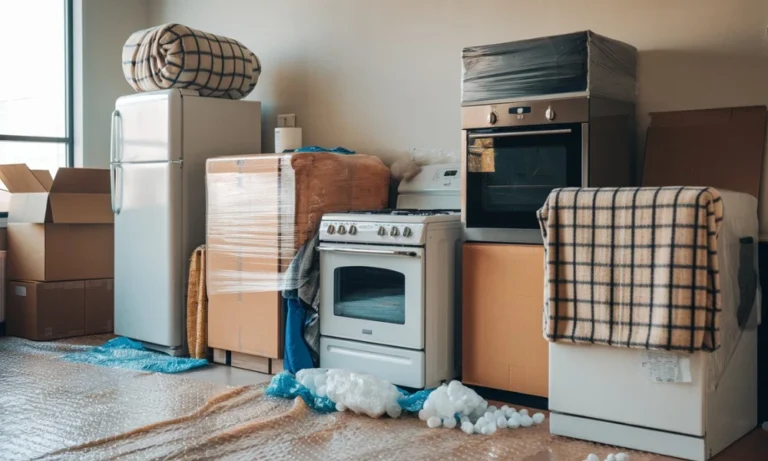
Step 1: Clean all appliances completely
Always clean appliances before packing.
Remove:
- Food residue
- Grease
- Dust
- Moisture
Odors stay away because of this. Stains find it hard to take hold here. Mold won’t grow where this is around.
Examples:
- Leave fridges to thaw a full day ahead of relocation
- Wipe microwave interiors and exteriors
- Empty toaster crumbs
Clean blender jars first, then let them air out before storing. Mixer pieces need a wipe down after rinsing under warm water
Cleaning is especially important when learning how to pack small appliances for moving.
Step 2: Remove loose parts
Take out removable components such as:
- Shelves
- Glass trays
- Blender blades
- Mixer bowls
- Oven racks
- Refrigerator drawers
Inside little plastic bags, put the tiny pieces – mark each bag clearly. Attach these to the machine itself or pack them apart.
Putting things away carefully keeps kitchen tools secure while keeping every piece accounted for.
Step 3: Secure cords and hoses
Start by coiling the wires tight. Fasten each bundle using a strip of tape. Sometimes zip ties work better. Hold ends down firmly before moving on.
For appliances connected to water:
- Drain hoses completely
- Disconnect water lines
- Dry all connections
Loose cords can cause damage or create safety hazards during loading.
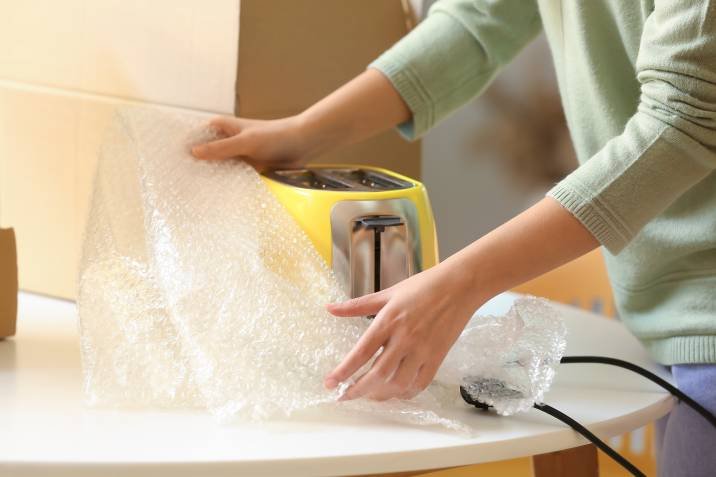
Step 4: Wrap appliances carefully
Protect each appliance using:
- Bubble wrap
- Moving blankets
- Foam padding
Watch closely when:
- Corners
- Handles
- Glass panels
- Control panels
- Stainless steel surfaces
Among the smartest moves? Wrapping kitchen gadgets carefully to dodge scrapes and bumps.
Step 5: Use the Right Box Size
A tight space around every machine works best. Fit each unit carefully inside its case.
Packing small appliances for moving
Smaller boxes work best for:
- Coffee makers
- Toasters
- Mixers
- Blenders
- Air fryers
- Food processors
Start by covering one piece at a time, then secure gaps with soft material. Place cushioning around loose areas after wrapping each object separately.
Packing Big Kitchen Machines
Use heavy-duty appliance cartons for:
- Microwaves
- Mini ovens
- Dishwashers
- Refrigerators
Never leave empty space inside the box.
Packing Large Kitchen Appliances
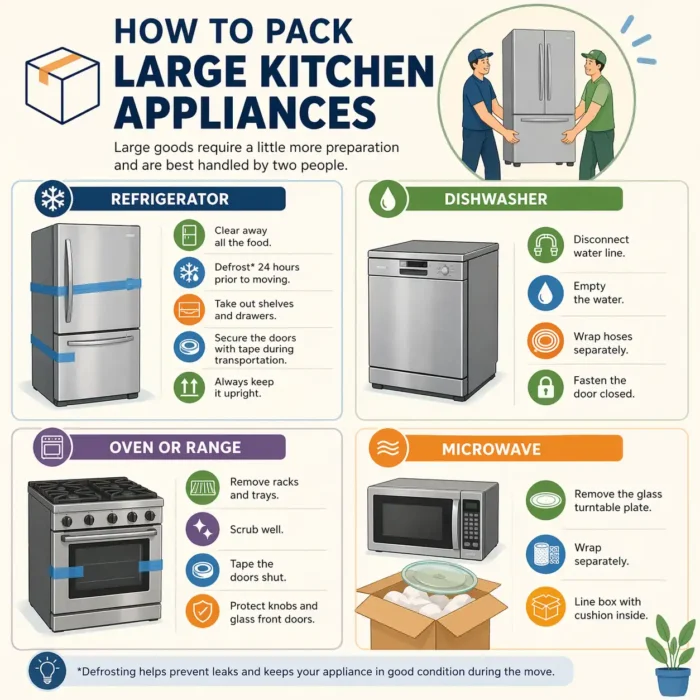
Furniture like fridges or washers might take extra steps before shifting them—sometimes it just works better with a second person nearby. Moving these heavy items can go smoother when help is around.
Refrigerator
- Remove all food
- Defrost 24 hours beforehand
- Remove shelves and drawers
- Tape doors closed
- Transport upright only
Dishwasher
- Disconnect water lines
- Drain completely
- Wrap hoses separately
- Hold the door closed tightly
Oven or Range
- Start by pulling out the shelves. Take out each rack next. Slide every tray free after that
- Deep clean surfaces
- Tape doors closed
- Protect glass panels and knobs
Microwave
- Remove glass turntable
- Wrap separately
- Cushion the inside of the box
Read More: How to Pack Kitchen for Moving?
Loading Appliances Into the Moving Truck
Besides wrapping up kitchen gadgets, how you place them matters just as much.
Follow these guidelines:
- Keep appliances upright
- Secure with straps
- Avoid stacking heavy boxes on top
- Place moving blankets between appliances
- Load large appliances first
Heavy items need secure placement when moving them. A shift during transit can damage what you’re carrying.
Common Mistakes to Avoid
Avoid these common moving mistakes:
- Packing dirty appliances
- Forgetting removable parts
- Laying refrigerators on their side
- Using weak boxes
- Leaving empty spaces inside boxes
- Transporting without straps
Mistakes like these can trip you up while figuring out how to move kitchen gadgets without damage.
Deciding When to Bring in Experts
When things get tricky, knowing how to handle kitchen gadgets might not be enough. Sometimes, only someone with real experience can step in.
Consider professionals when moving:
- Extremely heavy appliances
- Fragile electronics
- Long-distance shipments
- Appliances with gas or water connections
Professional movers offer:
- Safe disassembly
- Specialized equipment
- Protective packing materials
- Secure transportation
With care, packing kitchen appliances safely becomes possible. A steady hand avoids extra danger during setup.
Final Thoughts
Learning How Best To Pack Bulky Kitchen Appliances becomes simple when you use the right materials, proper packing techniques, and careful organization. Whether you’re packing kitchen appliances for a local move or packaging appliances for shipping, preparation is the key to keeping your belongings safe.
But for heavy, sensitive, or complicated appliances, hiring professionals is the safest choice. Chamomile Go offers expert packing and moving services to protect your appliances from start to finish. Contact us at +1 310-895-3517 for safe, efficient, and stress-free appliance packing.
FAQs
What’s the best way to pack bulky kitchen appliances?
The best way to pack kitchen appliances is to clean them, wrap them in bubble wrap, protect detachable parts, and use sturdy boxes with proper cushioning.
Should I disassemble appliances before packing?
Yes. Disassemble shelves, trays, or detachable items. Wrap them individually and store them in labeled bags.
How do I protect fragile parts?
Use bubble wrap, foam padding, and sturdy boxes. This is crucial when packaging appliances for shipping.
What type of box should I use?
Use strong, well-fitted boxes. Avoid overly large boxes that cause shifting.
How do I protect cords and electrical components?
Bundle cords neatly, store them in labeled bags, and keep them separate from sharp objects.