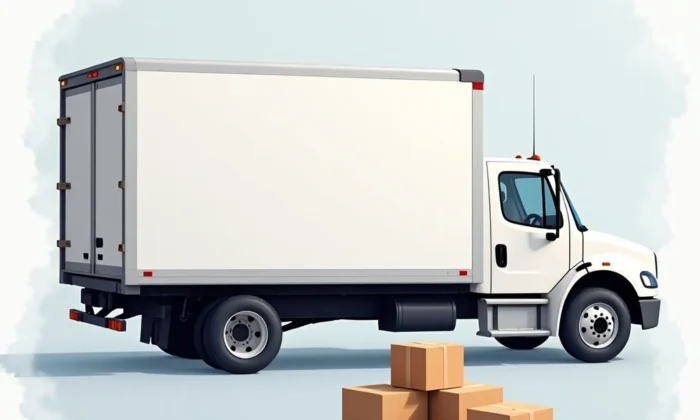
Renting the wrong truck size turns moving day into a mess fast, either you’re making two trips because everything didn’t fit, or you’re stuck paying extra for a truck way bigger than you actually needed. That’s exactly why so many people ask what size truck do I need for moving before they even start packing.
Getting this right saves money, saves time, and keeps your things safer during the drive. This guide breaks down truck sizes, what fits where, and how to pick the right one without guessing.
Why Choosing the Right Moving Truck Size Matters
The right truck size affects more than just convenience. It touches your budget, your fuel costs, how long loading takes, whether you need one trip or three, and how safe your belongings actually are during the move.
Go too small and you’re either cramming boxes in too tight or leaving things behind entirely. Go too big and rental costs climb, plus a larger truck gets genuinely hard to drive and park, especially in tight neighborhoods or smaller housing complexes. Understanding moving truck sizes ahead of time means picking something that actually fits your space, safety, and budget needs.
Important Factors to Consider Before Choosing a Truck
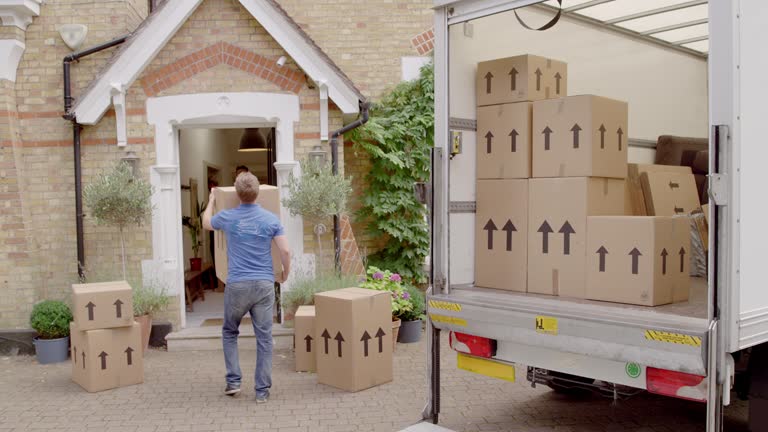
A few things matter more than people expect when figuring out the right size.
Count More Than Just Bedrooms
Bedroom count alone doesn’t tell the whole story, furniture volume matters more. A minimalist three-bedroom home might need less truck space than a two-bedroom apartment packed with furniture. Always factor in furniture quantity, appliances, storage items, garage equipment, and outdoor furniture too.
Consider Heavy or Bulky Items
Large, awkward pieces eat up significant space, refrigerators, washers and dryers, pool tables, treadmills, sectional sofas, dining tables, and large mirrors all count. These items affect both available space and how close you get to the truck’s weight limit.
Estimate Your Box Count
Most people underestimate how many boxes they actually have until they start packing. Dishes, books, clothes, storage tubs, it adds up fast. A realistic count helps a lot when figuring out the right truck size.
Know Your Weight Limits
Every moving truck comes with a gross weight limit, and it’s easy to hit that limit before you run out of physical space. Smaller trucks typically cap around 4,000 pounds, while larger trucks can handle 10,000 pounds or more.
Long-Distance vs Local Moves
For longer moves, fuel efficiency matters. Choosing the smallest properly-sized truck saves fuel and money.
This is where professionals such as a relocation specialist in Sherman Oaks can offer guidance, especially if you’re unsure how your items compare to standard moving truck dimensions.
Moving Truck Size Comparison
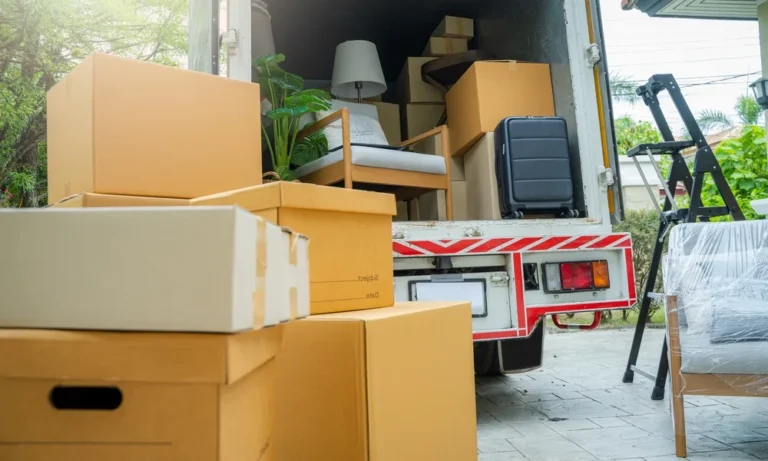
Once you know the general sizing options, choosing gets a lot easier. Here’s a quick moving truck-size chart to compare:
| Truck Size | Best For | Typical Rooms |
| 10-12 Feet | Studio apartments, dorms | 1 room |
| 15-17 Feet | 1-2 bedroom apartments | 2-3 rooms |
| 20-22 Feet | 2-3 bedroom homes | 3-5 rooms |
| 24-26 Feet | Large family homes | 5+ rooms |
Small Moving Trucks (10-12 Feet)
These work best for studio apartments, dorm rooms, small offices, and minimalist moves. Typically fits a mattress, a couch, and a small dining set.
Benefits include easier driving, better fuel economy, and convenient city parking. The tradeoff is limited furniture space, so you might end up making more than one trip. Small trucks work great for local city moves, especially where parking and tight streets are already a hassle.
Medium Moving Trucks (15-17 Feet)
This size is one of the most popular answers to what size truck do I need for moving, and for good reason. It suits one-bedroom apartments, two-bedroom homes, and small family moves well.
These trucks typically fit appliances, larger furniture, mattresses, living room pieces, and multiple packed boxes without much trouble. Medium trucks strike a solid balance between storage space, fuel efficiency, and ease of driving. Chamomile Go generally recommends this size for a typical home move, since it handles most household items comfortably without becoming a hassle to drive.
Large Moving Trucks (20-26 Feet)
Large trucks are built for three-bedroom homes, four-bedroom homes, big family moves, and long-distance relocations. They can carry an entire household, garage storage, large appliances, and multiple furniture sets in one trip.
Benefits include getting everything moved in a single trip, which works especially well for long-distance moves, plus more flexibility while loading. The tradeoffs are real too, these trucks are harder to drive, cost more to rent, and burn more fuel. For a larger home, though, a big truck is usually still the most efficient option overall.
You may read How To Pack A Moving Truck?
How to Estimate the Right Truck Size

Create a Full Moving Inventory
The most reliable way to figure out your truck size is making an actual list. Walk through every room and write down furniture, appliances, boxes, outdoor items, garage storage, and closet contents. This gives you a realistic picture of how much space you actually need.
Use Online Truck Size Calculators Carefully
A moving truck size calculator can help, but treat it as a starting point, not a guarantee. These tools often don’t fully account for oversized furniture, fragile items, packing style, or oddly shaped pieces. Use them as a rough guide, then adjust based on your actual inventory.
Think Like a Professional Loader
Professional movers pack trucks more efficiently than most people realize is possible. If you’re loading it yourself, it’s smart to rent a bit more space than you think you need rather than compressing everything too tightly.
Local vs Long-Distance Truck Planning
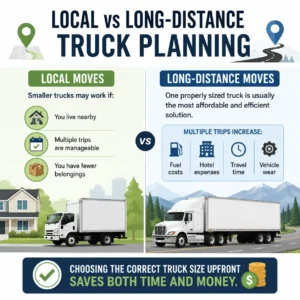
For local moves, a smaller truck can work fine if you’re moving nearby, don’t mind an extra trip, or simply don’t have that many belongings. For long-distance moves, though, one properly sized truck is almost always more affordable and efficient. Multiple trips on a long haul add up fast, extra fuel, hotel costs, more travel time, and more wear on the vehicle. Getting the size right upfront saves both time and money either way.
Local vs Long-Distance Truck Planning
Local Moves
For local moves, smaller trucks may work if:
- You live nearby
- Multiple trips are manageable
- You have fewer belongings
Long-Distance Moves
For long-distance relocations, one properly sized truck is usually the most affordable and efficient solution.
Multiple trips increase:
- Fuel costs
- Hotel expenses
- Travel time
- Vehicle wear
Choosing the correct truck size upfront saves both time and money.

Common Moving Truck Sizes and What They Fit
A few avoidable mistakes trip people up when choosing a truck size. Underestimating boxes is a big one, small items add up faster than expected. Ignoring awkward furniture is another; mirrors, lamps, artwork, and sectionals all need extra room since they don’t stack neatly. And renting too small to save money usually backfires anyway, through extra trips, added fuel costs, or a last-minute upgrade to a bigger truck that ends up costing more than just booking the right size from the start.
Final Thoughts
FAQs
What if my moving truck is too small?
You might have to make more trips, which takes more of your time and fuel, and adds to your stress.
Should I go for a bigger truck just in case?
Yes, factors like running out of space are worse than having a bit of extra space.
Are professional movers able to help ballpark the truck size?
Yes, companies like Chamomile Go offer an exact evaluation.
Do moving trucks come with ramps and tie-downs?
Many rental trucks do have them, but it depends on the rental company.
How far in advance do I need to reserve a moving truck?
Early booking is better for availability and rates, during the peak seasons in particular.
Is it more difficult to drive a bigger truck?
Yes, they do, you have to take more care when driving them, particularly in confined spaces or in cities.
Does the size of the truck matter for moving insurance?
Insurance is determined by the level of coverage rather than truck size; however, space has an impact on packing safety.