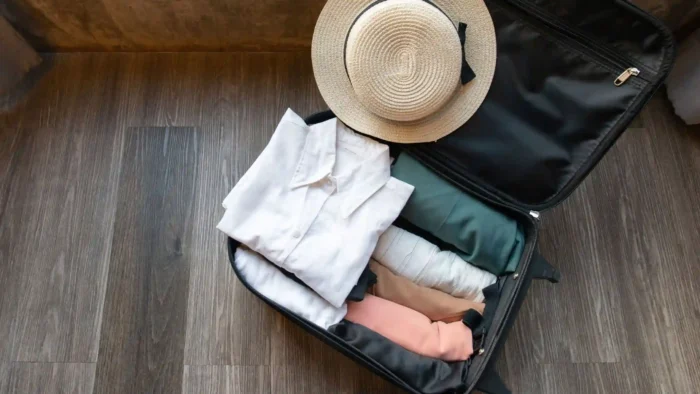
Mastering the art of How To Roll Clothes for Packing is a genuine game-changer for anyone who has ever wrestled with a bulging suitcase. Whether you’re heading off on a dream vacation, prepping for a high-stakes business trip, or navigating the chaos of a house move, rolling your wardrobe is the secret to reclaiming your space and your sanity.
At Chamomile Go, we’ve witnessed how a few clever rolling techniques can completely shift the packing experience from a stressful chore to a streamlined process. Not only does this method maximize every square inch of your luggage, but it also does a surprisingly good job of keeping deep wrinkles at bay. In this guide, we’ll break down the most practical ways to roll your gear effectively and share some insider tips for handling different fabrics and styles.
Why Rolling Clothes is a Smart Packing Technique
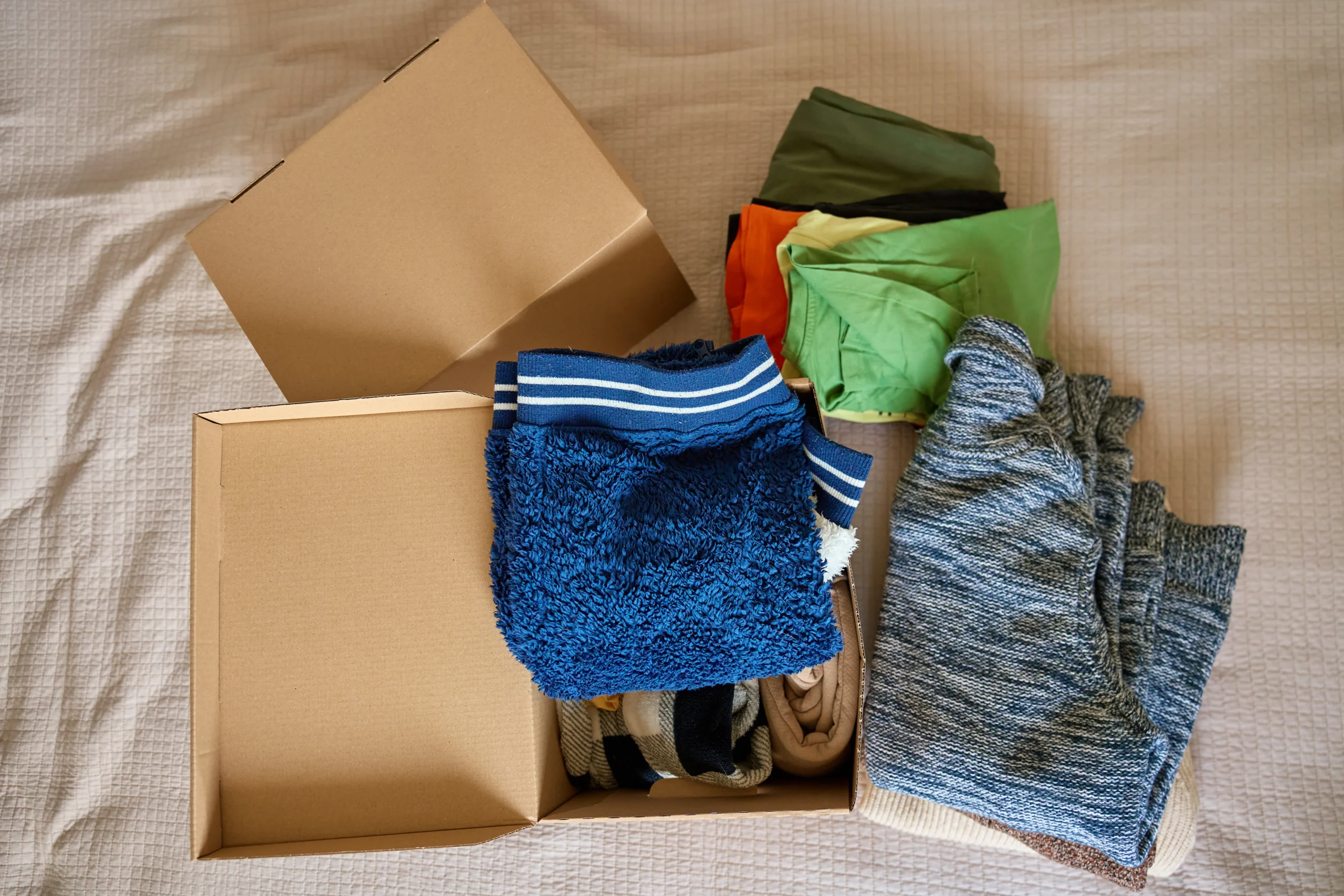
Rolling clothes offers several advantages over traditional folding methods:
- Space-saving: Rolled clothes fit more efficiently in suitcases and bags, allowing you to pack more items.
- Wrinkle reduction: Proper rolling minimizes creases, keeping your clothes looking fresh.
- Better organization: Rolled clothes are easier to categorize and access, so you can find what you need without unpacking everything.
These benefits make rolling clothes a must-know technique for frequent travelers and anyone preparing for a move with services like professional packing service in Sherman Oaks.
Preparing Your Clothes for Rolling
Before you start rolling, taking a few preparatory steps ensures the best results:
- Find a real surface: Stop trying to pack on your bed! It’s too squishy. Use a kitchen table or even a clean hardwood floor. You need a flat, firm spot so you can actually pull the fabric tight.
- The Rectangle Hack: This is the secret. Every piece of clothing—no matter how weirdly shaped—needs to become a long, straight rectangle before you roll it. Tuck the sleeves in and fold the sides toward the middle. If it’s not a rectangle, it won’t roll straight.
- Use your hands as an iron: As you’re laying things out, give them a good, firm swipe with your palms. Pushing out the air pockets and smoothing out those tiny bunches now is the only way you’re going to avoid looking like a mess when you unpack.
It honestly takes about five extra seconds, but it’s the difference between looking sharp and looking like you slept in your suitcase.
Steps to Roll Clothes Properly
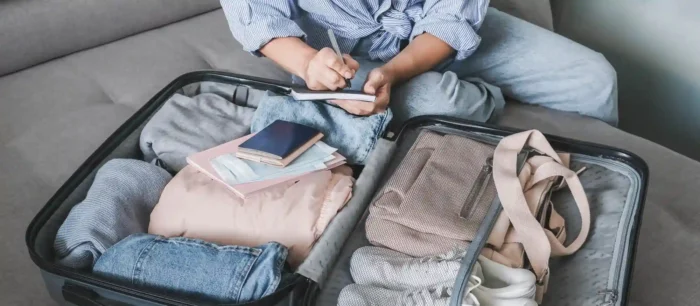
Once your clothes are prepared, follow these steps for an efficient rolling technique:
- Flip the bottom part inside out slightly: This creates a small flap that will help lock the roll in place.
- Fold sleeves or pant legs inward neatly: This ensures the roll remains compact and organized.
- Roll tightly from one end to the other: Firm rolling maximizes space and prevents the roll from unraveling.
- Secure the roll with the flipped part: Tuck the flap over the rolled section to hold it together.
By following this method, even soft fabrics like t-shirts or casual wear stay secure and compact. Chamomile Go recommends practicing this technique on a few items first to get comfortable with the process.
Rolling Different Types of Clothes
Different garments require slightly different approaches to rolling:
Shirts
- Fold sleeves toward the center.
- Roll from the collar down to the bottom, keeping the roll tight and smooth.
Pants and Jeans
- Fold pant legs in half lengthwise.
- Roll from the ankle to the waistband to maintain a compact shape.
Sweaters and Jackets
- Fold sleeves crosswise over the body.
- Roll from the bottom up to the neckline to prevent stretching and creases.
Socks and Underwear
- Stack similar items together.
- Roll tightly for compact storage in smaller compartments or packing cubes.
This approach helps you efficiently use every inch of suitcase space while keeping garments in good condition.
Tips for Rolling Clothes Effectively
To make the most out of rolling clothes for suitcase or storage, consider these helpful strategies:
- Smooth seams and edges: Run your hands along seams to remove wrinkles before rolling.
- Use elastic bands or packing cubes: These help keep rolls secure, especially during travel.
- Adjust technique for bulky items: Heavier fabrics like sweaters may need a slightly looser roll to avoid stretching the material.
- Combine rolling with folding for hybrid packing: Some items may fit better when folded and layered alongside rolled garments.
Simple adjustments like these can enhance your packing efficiency significantly.
When to Roll vs. When to Fold Clothes
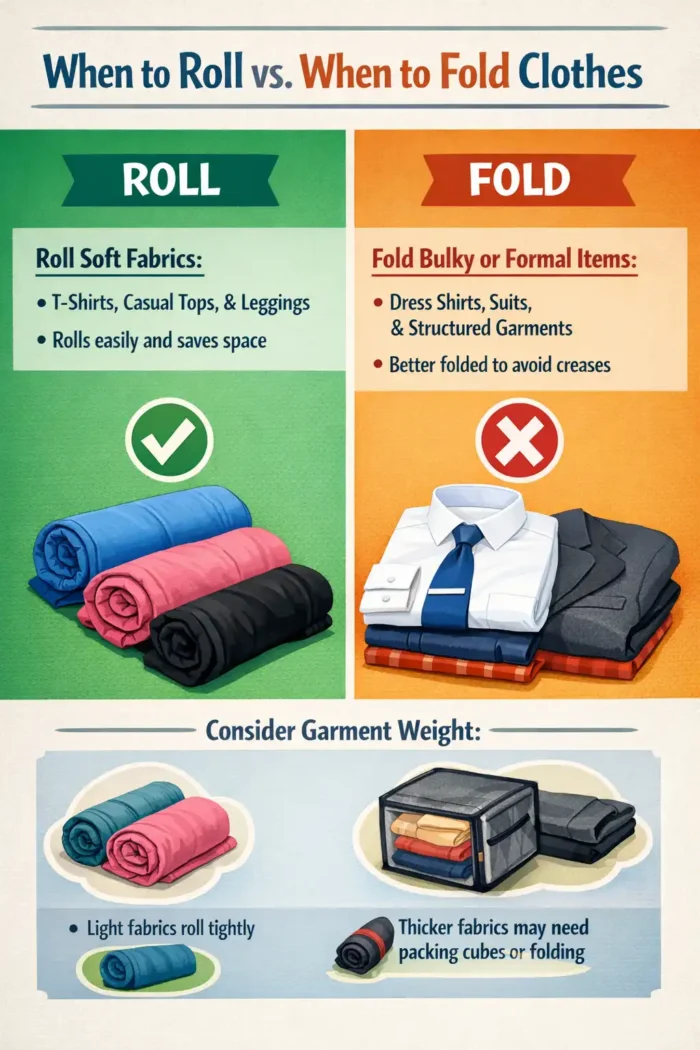
While rolling works for most items, certain fabrics and garments benefit more from traditional folding:
- Roll soft fabrics: T-shirts, casual tops, and leggings roll easily and save space.
- Fold bulky or formal items: Dress shirts, suits, and structured garments are better folded to avoid deep creases.
- Consider garment weight: Light fabrics roll tightly, whereas thicker fabrics may need packing cubes or folding to fit properly.
Knowing when to roll and when to fold ensures your wardrobe stays organized and presentable, whether you’re traveling or moving.

Final Thoughts
Mastering rolling your clothes for packing is a simple yet effective way to make any move or trip smoother and more organized. From saving space to preventing wrinkles, this technique is a game-changer for efficient packing. Brands like Chamomile Go emphasize practical strategies that help travelers and movers alike, whether you’re packing for a weekend getaway or a long-term relocation.
If you want to simplify your next packing experience and ensure your clothes remain wrinkle-free, contact us to learn more about professional tips and packing solutions.
FAQs
Can rolling clothes really save space in a suitcase?
Yes, rolling clothes compresses fabrics more efficiently than folding, allowing you to fit more items into the same suitcase.
Is rolling clothes suitable for all fabric types?
Rolling works best for soft fabrics like t-shirts, casual wear, and leggings. Stiffer or formal garments, like dress shirts or suits, are better folded to maintain structure.
How can I keep rolled clothes from unrolling during travel?
Use the inside-out flap method or secure rolls with elastic bands or packing cubes. These options keep rolls tight and organized.
How do I roll bulky items like sweaters or jackets?
Fold sleeves crosswise and roll from the bottom up, keeping the roll slightly looser to prevent stretching or creasing.
Can rolling clothes help prevent wrinkles during long trips?
Yes, rolling clothes tightly and smoothing seams before rolling minimizes creases, helping garments stay wrinkle-free throughout your journey.