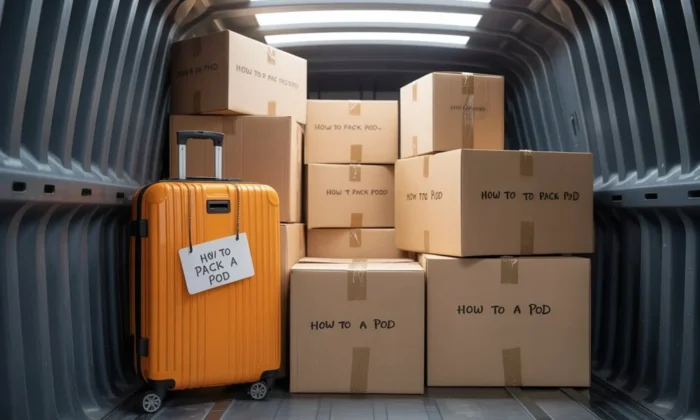
Relocation can feel like a bit much at times, but if you know the right way to load a moving POD, the whole process will be so much smoother. Portable moving containers give you the opportunity to pack in your own time and keep your things safe until they’re ready to be transported. Just ensure your POD packing is right for moving day.
Whether you’re shifting across town or storing your goods for a few months, learning how to load a moving container helps protect your furniture, save space, and prevents items from rattling around inside. In this post, we will break down how to pack a moving pod in simple to follow steps that will assist in keeping both you and your belongings safe.
Why Proper POD Packing Matters
Many individuals overlook how critical the right loading plan is. When you fill it up by cramming boxes in just anywhere that seems convenient, it’s a recipe for damage and broken belongings with little space in the end.
When you know how to fill a POD properly, you can:
- Utilize your container space fully
- Protect furniture as well as delicate goods
- Help balance your load and distribute weight wisely
- Load and unload more easily
- Lower your overall moving time.
Investing some of your time now to plan what will go into the pod now will save you stress ( and possibly money) later .
Packing Supplies You Need Before Getting Started
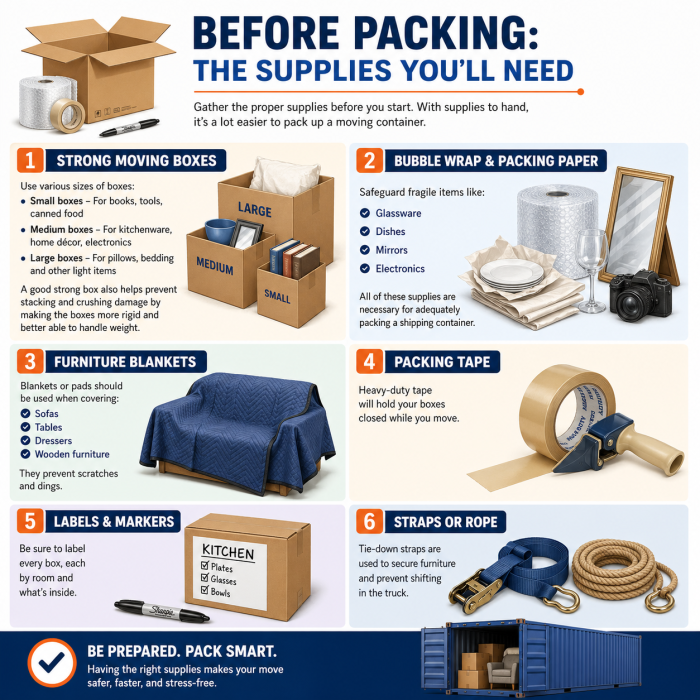
When it comes to getting your goods into your shipping container, the best supplies and packing tools make it easier for you!
- Strong moving boxes
- The Most Essential Items
- A well-packed container starts with well-filled and well-marked boxes
Boxes Use various sizes for packing the following goods:
- Small Boxes ;are ideal for heavier items like books, canned goods, tools.
- Medium Boxes; work for general items, like kitchen dishes, décor items, electronic equipment.
- Large Boxes ;are great for lighter, more bulky, or oddly-shaped items like blankets and pillows. Strong boxes will stack much better, helping you to fill your container evenly and efficiently. Avoid fragile or flimsy boxes that might collapse!
Bubble wrap for glass plates or dishes or even decorative pieces.
Bubble Wrap & Packing Paper
- Glass
- Stemware
- framed pictures
- Electronics
or the like for safely learning to pack a moving container… this cannot be said too much….is very handy.
Protect all your delicate items with packing materials that will absorb shock. It could be as much as just making sure items don’t bump into each other.
Furniture blankets
to drape over large items like;
- tables
- couches
- bed frame
- dressers
or wood furniture to prevent dings and dents.
Heavy-duty packing tape
use to wrap up box tightly to keep everything inside from sliding out or damage;
- Labels and permanent marker
- used to keep contents of each box separated and organised.
This will help to identify contents of each box during a move and unpack them much faster.
Moving Straps or Rope
Tight-down straps help keep everything secured when container gets moved.
Read More: How Much Does It Cost To Rent A Pods Moving Container?
How To Pack A Pod Step by Step
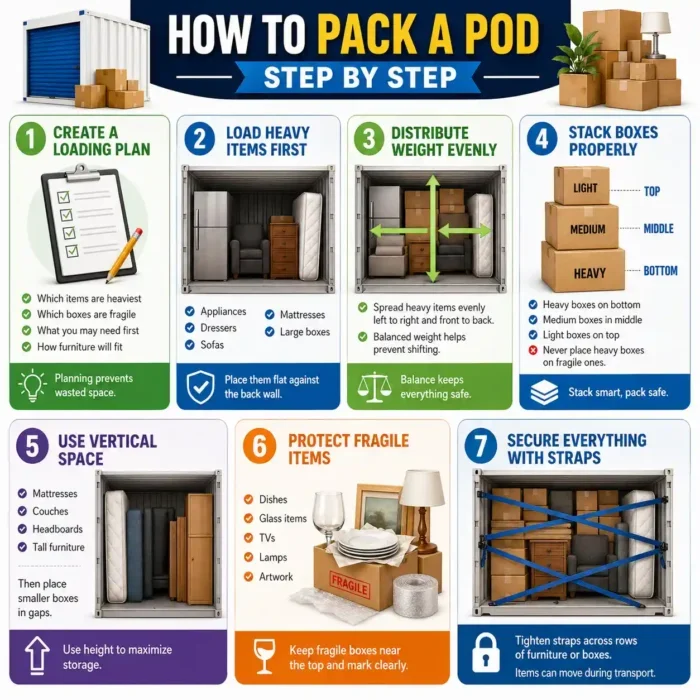
Step 1: Strategize Before loading
BEFORE the first item touches the interior of the container, spend a moment creating a brief loading strategy.
Think About:
- What pieces weigh the most
- What boxes will contain delicate items you’ll be moving
- Which of the goods you’ll want to open first when the POD arrives at the destination.
What furniture will take up the space you have How you’ll fit bulky items A little bit of planning before loading will make packing the POD a lot easier than stuffing the container randomly.
Step 2: Load Heavy Items First
Put the heaviest of things in first Most important of your bulky personal property includes:
- Boxes of books.
- Office machines like fax machines or computer-based systems like desktop.
Furniture, couches, beds, Dresser chests, and other such types of the heavier items you have the ability to put up-against-the back wall.
Step 3: Distribute Weight Evenly
Equalizing the load uneven distribution is one of the biggest mistakes beginner movers make when loading their container.
Divide the weight equally;
from side to side to from front to back ensure that the weight is evenly distributed in the container; they may move while the containers are in transit.
Step 4: Stack Properly
Be sure to stack like sizes of box on each other;
heavy on the bottom
mediums in the middle
lightest on the top.
Be careful not to stack heavy items on delicate objects. This strategy works in creating room within the container and to also assist to prevent damages to your most treasured pieces.
Step 5: Use Vertical Space
Fill the moving pod vertically to your maximum height:
- Standing tall
- Headboards
- Long furniture
- Sofas
- Mattresses
Stuff any other available space with packing paper or other softer items and boxes of similar sizes.
You want to make the most of vertical space – It’s the easiest way to pack your storage space effectively.
Step 6: Protect Fragile Items
Take extra care with delicate items:
- Dishes
- Glassware
- Lamps
- TV’s
- Mirror’s
- Art work
Stack these boxes toward the top with “FRAGILE” clearly written on the sides of the box, adding layers of packing material for safe arrival.
Step 7: Secure Everything
Strap it in When you’re done loading each section
secure all items using moving straps or rope for a tight hold on any heavy furniture, stacked boxes, etc. Properly securing goods is also necessary to complete how to pack a moving container effectively.
How to Pack Fragile Items and Valuables in a POD
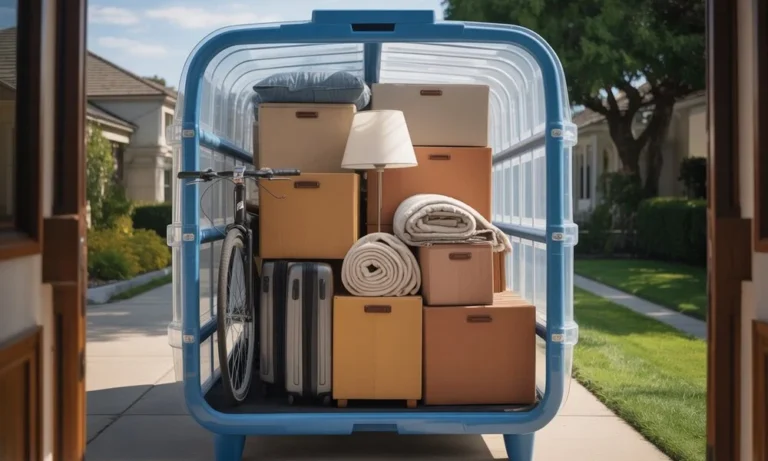
You need to use a little more precaution in packing and preparing the following types of possessions:
- Wrap Everything Separately Bubble wrap
- packing paper or foam pads are necessary to guard against wear.
- Wrap glasswares
- dishwares
- decorative items
separately with these materials as you’re going to protect your electronics appliances and other similar items.
Use the Right Containers
Use Boxes That Matter
“For dishes and glassware, invest in these boxes that come with built-in separators – and ask any movers whether the dividers can remain,””
Cushion Every Box Stuff
empty space in every box using: –
- Packing paper
- Bubble wrap
- Foam peanuts
- towels
- or soft blankets
It reduces any kind of jostling when the box moves.
Place Fragile Boxes on Top
It’s best to set these heavier boxes over other types of goods, so just know that going in.
- Label them “FRAGILE,” as “THIS SIDE UP”
- there’s no such thing as over-labeling when you pack sensitive items like this.
Take Personal Valuables with You
Important valuables:
- jewelry
- critical documents
- family heirlooms
- portable electronics
should travel with you wherever possible instead of being loaded into the container for transit.
How To Unload A POD Efficiently
Your effort when loading will also influence your efforts when moving out.
Get it done in stages when doing an organized move:
- Unload lightweight
- general boxes first
- while confirming all items are against inventory.
- Use a furniture dolly for a sofa and refrigerator.
- Unpack room by room
- unpack master first
- while assembling large furniture pieces prior to opening boxes of the items for the space.
By doing this it makes unloading your furniture easy.

Best Way To Pack A Moving Pod For Long Storage
If your POD will spend weeks or months on your property in storage, plan ahead a few steps further.
- To make your belongings safer for storage:
- moisture absorbers in the POD
- never pack items that are damp or wet
- keep all important possessions inside
- closed plastic bins
- use breathable moving blankets to cover furniture
- always leave tiny spaces of air around large furniture items.
Common Mistakes to Avoid
The Packing Don’ts Don’t pack these items in a self-storage container:
- Heavy items on fragile contents
- Boxes with “breathing room” that lets items shift
- Furniture not strapped down
- Boxes stuffed beyond their weight limit
- Poorly labeled items Important
- paperwork in a boxed up
- location That extra step goes a long way.
Final Thoughts
Smart packing starts with planning ahead, using the right materials, and following proven strategies like loading heavy items first and securing everything in place. Proper packing not only protects your belongings but also saves time and stress on moving day. For large, fragile, or valuable items, it’s always best to consult professionals who handle these challenges every day. At Chamomile Go, we specialize in reliable and affordable moving services in Sherman Oaks, helping local residents with everything from packing to loading and transportation. Whether you’re using a POD or moving into a new home, our team is here to make your experience smooth and worry-free. Contact us today for expert help tailored to your needs.
FAQs
Q1: What Is The Best Way To Pack A Pod For Moving?
The best way to pack a pod is to start with a plan. Load heavy items like furniture and appliances at the bottom and toward the back. Use moving supplies such as furniture pads, straps, and sturdy boxes to secure and protect your items inside the storage container.
Q2: Should I Disassemble Furniture Before Packing A Pod?
Yes. Disassembling furniture helps maximize space and prevents damage. Remove legs from tables, detach headboards, and keep hardware in labeled bags. This also makes packing a pod more efficient.
Q3: How Do I Prevent Items From Shifting Inside The Pod?
Use straps, rope, and tie-downs to secure each layer of boxes and furniture. Place heavier items on the bottom and use padding between breakables. Securing everything tightly is essential when you pack a pod for transport.
Q4: Can I Pack Fragile Items In A Pod?
Absolutely. When packing a pod, wrap fragile items individually with bubble wrap or packing paper, use dish boxes with dividers, and clearly label all fragile boxes. Load them on top and avoid placing heavy boxes above them.
Q5: Is It Safe To Store A Packed Pod For A Long Time?
Yes, as long as you pack it properly. Use high-quality moving supplies, protect items from moisture with covers or plastic wrap, and avoid overpacking. PODS rentals are weather-resistant, making them safe for both short- and long-term storage.