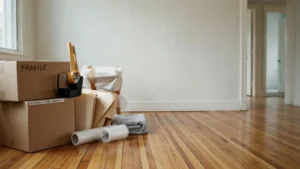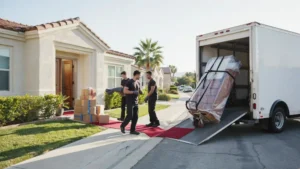
How long do movers take to move? Most local moves run between 2 and 12 hours, depending on how much you own and how easy it is to get it out the door. A studio can be done before lunch. A four-bedroom house can eat the whole day and sometimes spill into the next one.
Long-distance moves play by different rules, because the truck’s schedule matters more than the loading. Below, you’ll find realistic numbers by home size, a move-day timeline, and the small things that quietly add hours.
Moving Time at a Glance
These ranges cover a local move with a packed home, clear access, and a drive under an hour. They include loading, the drive, and unloading.
| Home Size | Typical Crew | Loading | Unloading | Total Local Move |
| Studio or 1-bedroom | 2 movers | 1–2 hours | About 1 hour | 2–4 hours |
| 2-bedroom | 2–3 movers | 2–3 hours | 1.5–2.5 hours | 4–6 hours |
| 3-bedroom | 3–4 movers | 3–5 hours | 2–4 hours | 6–9 hours |
| 4-bedroom or larger | 4+ movers | 4–6 hours | 3–5 hours | 8–12 hours, sometimes into a second day |
Treat these as a starting point, not a promise. Your own number will shift once stairs, parking, and heavy furniture enter the picture, and we’ll get to those below.
Read More: moving service in Sherman Oaks.
Where the Hours Go on Moving Day

Loading is the big one. It’s the stretch where crews wrap furniture, carry everything out, and build the load so nothing shifts on the road. That’s why people searching for how long does a move take usually mean “how long will I be standing in my empty living room?”
The drive is the smallest piece of a local move, often 20 to 60 minutes. Unloading runs a little faster than loading, because the truck is already packed in an order that makes sense and the crew knows where each piece goes.
Packing sits outside move day, and it’s where DIY movers get surprised.
- Studio apartment: 1 to 2 days
- Average household: 3 to 7 days
- Larger home: 1 to 2 weeks
Professional packers cut this down hard. A crew can usually box up a small apartment in a few hours, though a bigger house takes longer. If you’d rather not spend your evenings wrapping dishes, our packing services in Sherman Oaks cover everything from a few fragile rooms to the whole house.
Read More: Packing Service in Sherman Oaks.
What Time Do Movers Usually Arrive?
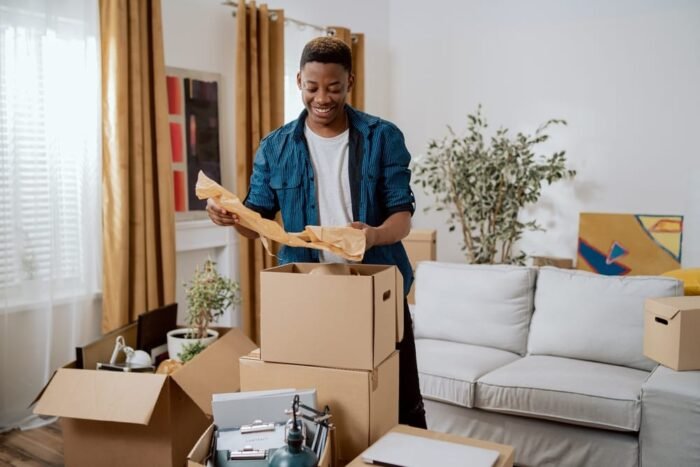
Most moving companies give you an arrival window instead of an exact time, and it’s usually a couple of hours in the morning. Early starts matter because a morning crew has the whole day to finish, and an afternoon start can push the unloading into the evening. Ask for the window when you book, and ask whether the crew calls ahead.
Two questions save people real money here. Does the billing clock start when the crew arrives at your door, or when they leave the yard? And is travel between the two locations billed? Companies handle this differently, so get the answer in writing before moving day.
A Realistic 2-Bedroom Move, Hour by Hour
Here’s roughly how a typical local apartment move with a three-person crew plays out. Your day will differ, but the rhythm is similar.
- 8:00 AM: Crew arrives, walks through the apartment, and flags anything fragile or oversized.
- 8:30 AM: Floors and doorways get protected, furniture gets wrapped, and loading begins.
- 11:00 AM: Truck is loaded and the drive starts.
- 11:45 AM: Unloading begins.
- 1:45 PM: Last boxes are in, furniture is reassembled, and you do a final walkthrough.
That’s about six hours start to finish, and it sits squarely inside the 4 to 6 hours of actual work in the table. The shorter your walkthrough and the clearer your hallway, the faster it goes.
How Long Does It Take to Move Apartments?
Apartments move faster than houses of the same size, until the building gets in the way. A ground-floor unit with a parking spot out front can be done in the low end of the range. A fourth-floor walk-up with a slow elevator can double it.
Many buildings, especially the condo towers and larger complexes around Ventura Boulevard, only allow moves during set hours. Some require a certificate of insurance from your movers or a reserved freight elevator slot. If you skip that step, you can arrive on move day to find the elevator booked by someone else, and that costs hours nobody planned for.
Call building management a week or two ahead, and earlier if you’re moving at the end of the month. Five minutes on the phone can save you a miserable morning.
What Stretches (or Shrinks) Your Move Time
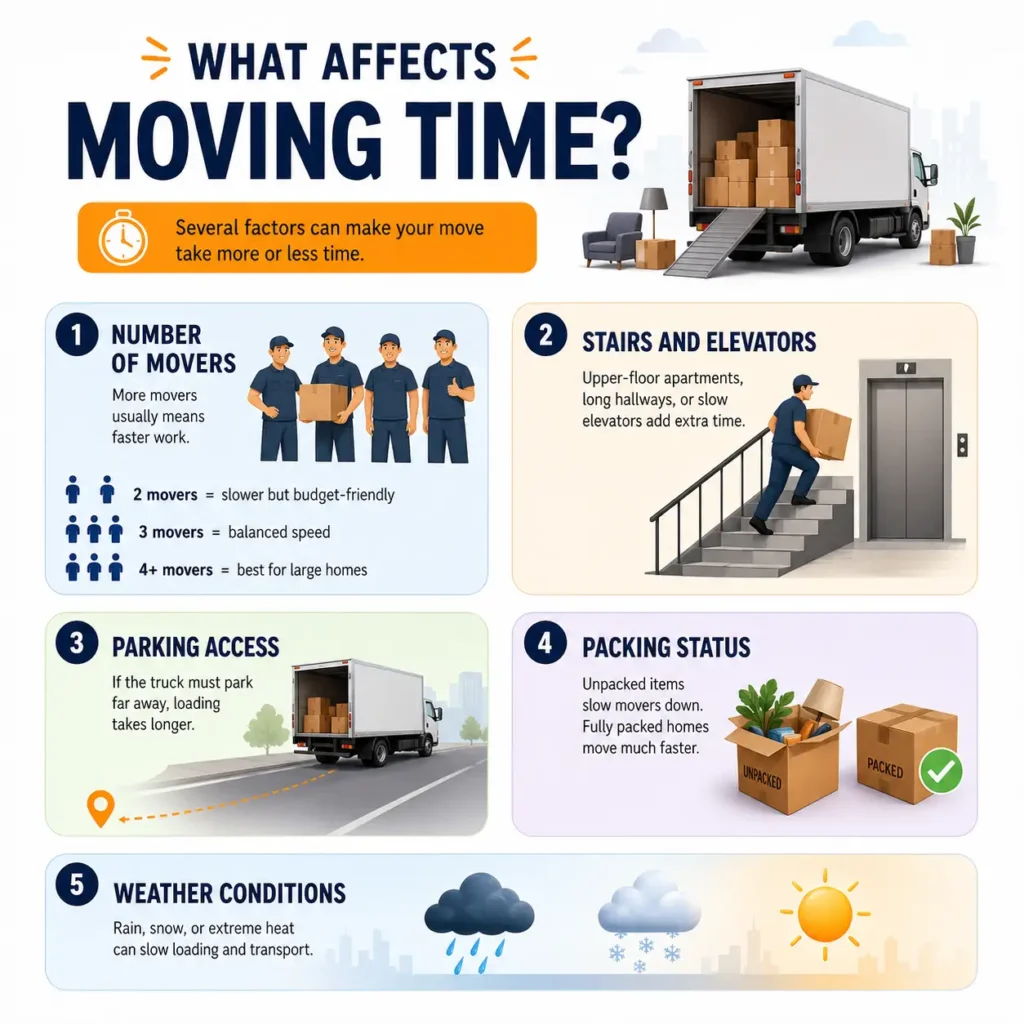
Here’s the part most guides skip. The size of your home matters less than how ready it is. Two identical apartments can differ by three hours, and the difference is almost always preparation.
- Crew size: more movers means faster loading, but the gains flatten out. Four people in a one-bedroom mostly get in each other’s way.
- Stairs and elevators: every flight without an elevator adds trips, and on a full house those minutes stack up.
- Parking: if the truck sits half a block away, every carry gets longer. Reserve a spot close to the door whenever you can.
- Packing status: loose items, open drawers, and half-packed closets slow a crew more than any couch.
- Heavy or awkward pieces like a piano, a safe, or a big sectional, which need extra hands and extra care.
- Traffic: around Sherman Oaks, the 405 and 101 can turn a 20-minute drive into an hour at the wrong time of day.
- Weather: rain makes everything slower and more careful.
Local Moves vs. Long-Distance Moves
Local moves are measured in hours. Long-distance moves are measured in days, and the truck’s route sets the pace more than the crew does.
- Same state: 1 to 2 days
- Cross-state: 2 to 5 days
- Cross-country: 5 to 10 days or more
Long-distance trucks are often shared with other households, and drivers have to follow federal hours-of-service rules, so your delivery usually comes as a window, not a set time. Ask for that window in writing. The FMCSA’s Protect Your Move site explains what long-distance movers owe you, and California households can check a mover’s permit through the CPUC.
How Long Does It Take to Unpack?
Truck gone doesn’t mean you’re done. Basic essentials like bedding, toiletries, kitchen basics, and a few days of clothes usually take one to two days to sort. A small apartment takes three to five days to fully unpack, and a family home takes one to three weeks.
Unpacking goes faster if your boxes are labeled by room instead of by contents. Write the destination room on every side, not just the top.

Mistakes That Quietly Add Hours
Most delays come from a short list of avoidable things.
- Booking the truck without checking building rules
- Leaving furniture assembled when it should come apart
- Skipping labels, then hunting for the kettle at 9 PM
- Forgetting to reserve parking
- Packing the night before instead of days ahead
How to Estimate Your Own Moving Time
Start with the row of the table that matches your home. If your move is packed and has easy access, that number is your baseline. If not, pad it.
A rule of thumb: add up to an hour for a long carry between the door and the truck, up to an hour for stairs on a full load, and up to an hour for each room that isn’t packed. These aren’t exact. They’re a way to avoid being surprised, and your crew can tighten them after seeing the space.
For the most accurate number, ask your mover for a walkthrough, in person or by video. It beats any formula on the internet, including mine. If you’re still deciding when to book, our guide on booking movers in advance covers lead times, and our post on moving truck sizes helps you match the truck to the load.
Final Thoughts
We’ve been moving families around Los Angeles for more than 16 years, and the best way to know how long your move will take is to talk to us. Tell us your home size, your building, and your date, and we’ll give you a realistic estimate and a clear price. Call +1 310-895-3517 or request a free quote with Chamomile Go. Contact us today for a personalized quote and let’s make your move stress-free!
FAQs
How Long Does It Take Movers to Load a Truck?
It depends on home size. A studio takes about 1 to 2 hours, a 2-bedroom takes 2 to 3, and a 3-bedroom takes 3 to 5. Packed boxes, disassembled furniture, and parking close to the door all shorten it. Our loading and unloading service can help if you’ve already packed and rented your own truck.
How Many Movers Do I Need for My Home Size?
Two movers are usually enough for a studio or one-bedroom, two or three for a two-bedroom, and three or four for a three-bedroom. Larger homes often need four or more. More movers speed things up, but only to a point, so ask your mover what crew size they recommend for your layout.
Do Movers Charge for Travel Time?
Some do and some don’t, and the rules vary by company and sometimes by service type. Ask whether billing starts at your door or at their yard, and whether the drive between locations is included. Get the answer in writing before you book.
What Happens If My Move Runs Longer Than Estimated?
If you’re billed hourly, extra time usually means a higher total. Flat-rate quotes protect you from that, but only if the quote reflects the real conditions of your move. Tell your mover about stairs, parking limits, and heavy items up front so the estimate matches reality.
How Long Does a Long-Distance Move Take?
Plan on 1 to 2 days within the same state, 2 to 5 across state lines, and 5 to 10 or more cross-country. Shared trucks and driver-hour limits mean delivery usually arrives as a window instead of an exact date, so ask for it in writing.
Can Movers Pack and Unpack for Me?
Yes. Many companies offer packing, and some also unpack and set up your rooms. It costs more than doing it yourself, but it can cut days off your timeline. Ask about both when you request your quote.