Getting a kitchen ready to move usually takes more effort than most rooms. Fragile plates, cutting tools, bulky pots, groceries, even large machines – all need careful handling. A clear plan keeps things from breaking during transit. Stress drops when each item has its place in a box. Unpacking settles faster at the new house if everything was sorted ahead of time. Preparation turns chaos into something manageable, piece by piece.
Packing up? This guide walks through securing your kitchen stuff, shielding fragile pieces, then getting appliances moved without a hitch – no matter if it’s just down the street or clear across the nation.
Packing a Kitchen Needs More Attention
Heavy pots, fridges that tilt during turns. Moving stoves takes time. Countertop mixers weigh more than they look. Dishwashers shift if not strapped right. Packed cabinets tip easily downstairs. Glass cooktops crack under pressure. Long-handled utensils snag doorframes. Microwaves need two people overhead.
- Fragile ceramics rattle loose in corners
- Fragile dishes and glassware
- Sharp knives and cooking tools
- Heavy cookware
- Small and large appliances
- Pantry goods and liquids
Bent corners, shattered glass – such things happen when boxes lack care in loading. Picture each spoon taped down, every dish nestled safe; that image comes true by knowing the kitchen moves well. A steady hand on wrapping means fewer messes later, even amid chaotic hallways and tight elevator rides. Your belongings arrive safely and stay organized throughout the relocation process.
Supplies You’ll Need Before Packing
Start by collecting everything you’ll need to pack up the kitchen. Getting ready means having all your materials on hand before beginning.
Essential Packing Materials
- Small and medium moving boxes
- Dish-pack boxes
- Packing paper
- Bubble wrap
- Packing tape
- Zip-top plastic bags
- Permanent markers
- Cardboard dividers
- Stretch wrap
Packing your kitchen things right starts with picking strong materials. A good box holds up when stacked during moving day. Tape seals shut without peeling mid-move. Wrapping paper stops dishes from scratching each other. Bubbles add cushion if something bumps the carton. Sturdy layers mean less worry on bumpy roads. What you pack with makes all the difference in arrival conditions.
Clear clutter before packing
Start by clearing out what you do not need. A few minutes of sorting makes everything easier later. Items that rarely get used should go first. Think about how often each thing gets picked up. Only keep what fits your routine now. What stays must earn its space somehow. Save room for things you actually reach for daily.
Give Away or Throw Out Old Stuff
Get rid of:
- Expired food
- Unused kitchen gadgets
- Broken dishes
- Chipped glassware
- Damaged cookware
Stuff piles up. Fewer things mean fewer boxes. Less to carry out that door. Moving feels lighter when clutter stays behind. Empty spaces speed everything along.
How to Pack Kitchen Items Properly
Packing begins after the kitchen gets sorted – tackle one type of item at a time. A drawer full of utensils? Handle those before moving to spices tucked behind the microwave.
Packing Plates and Dishes
Bent corners happen fast when boxes shift. Moving means constant jostling – thin metal doesn’t stand a chance. Sudden stops knock stacks sideways. Even careful hands can’t prevent every scrape across rough edges.
To protect them:
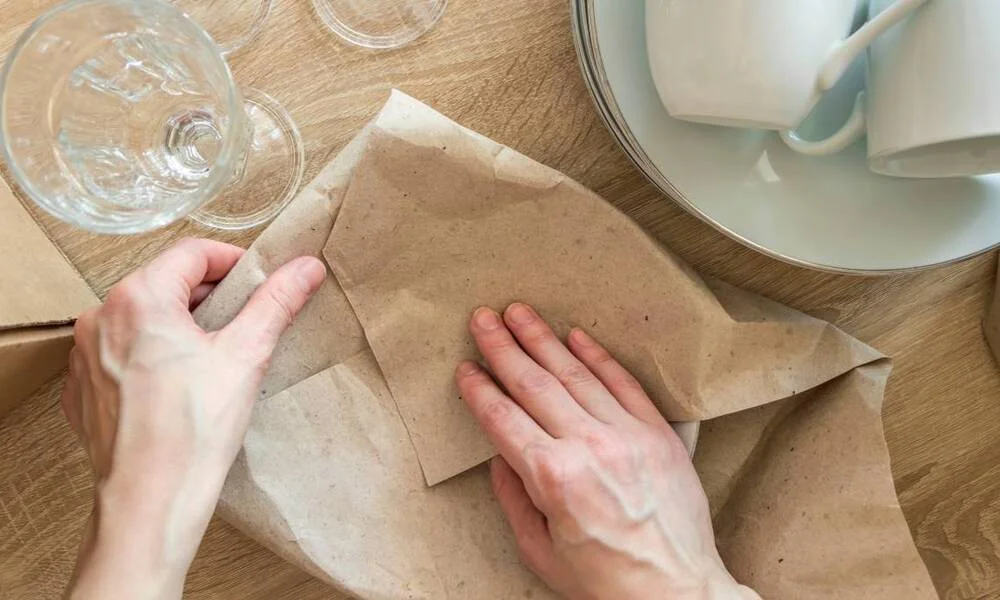
- Wrap each plate individually in packing paper.
- Built up instead of laying them down. Vertical stacking beats horizontal every time.
- Whenever you can, go for dish-pack boxes instead.
- Stuff gaps using balled-up sheets.
Wrapped carefully, this approach keeps kitchenware secure with little chance of damage. Most fragile pieces survive transit when handled like this. Protection comes from slow layering, not speed. Each item settles into place without pressure. The process favors patience over rushing. Fewer cracks appear when movements stay smooth. Safety grows through steady packing steps.
Packing Glasses and Cups
Glassware requires extra protection.
Follow these steps:
- Begin by filling every glass with crumpled sheets.
- Paper goes inside first, snug against the sides.
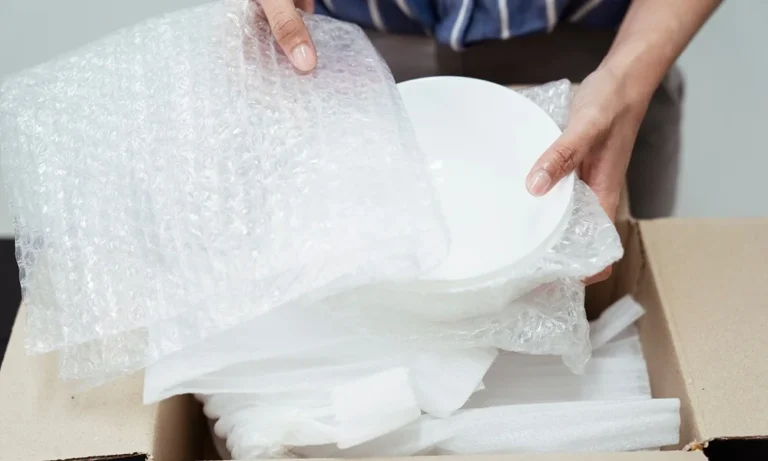
- Start by covering each item separately with bubble wrap.
- Another way is using packing paper instead.
- Sometimes one works better than the other.
- Place glasses upright in divided boxes.
Finish when fully enclosed. Protection comes from how it’s layered. Always seal the edges well.
Packing Bowls Pots and Pans
For bowls:
Nest similar-sized bowls together.
Place packing paper between each piece.
For pots and pans:
- Each thing gets its own covering. One by one they’re tucked inside.
- Padded covers guard handles plus keep lids secure. Bump protection goes around each grip spot first thing. Cushioning wraps edges where fingers hold tight every time. Soft layers sit under knobs before packing begins again.
- Lids go upright, lined up against one wall of the container.
How to Pack Kitchen Utensils Safely
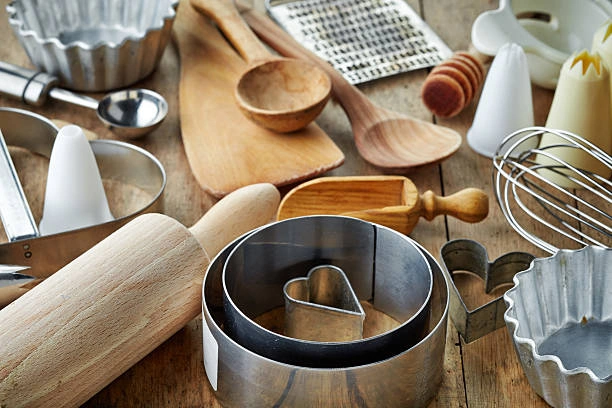
Knowing how to pack kitchen items also includes safely organizing utensils.
Packing Silverware and Cooking Utensils
- Pick out each kind of tool separately. Group spoons here, forks there, knives somewhere else.
- Grab forks, then add spoons along with serving tools. Tie them up tight.
- Wrap each group with packing paper.
- Bundles go into little boxes, sometimes plastic ones work too.
Packing Knives Safely
A blade that bites needs care you might not expect. Handling it changes everything. Mistakes happen fast when respect fades. Staying alert makes the difference.
To pack knives safely:
- Start by covering every blade using cardboard or heavy towels.
- Tape holds the wrap tight.
- A safe spot for blades is a container just for them.
- Mark the container plainly – “Sharp Objects.”
Never place loose knives inside moving boxes.
You may read How Best To Pack Bulky Kitchen Appliances?

How to Pack Kitchen Appliances
Most people find it hard to figure out packing kitchen gadgets just right. Getting things ready the right way keeps them safe while moving.
How to Pack Small Kitchen Appliances for Moving
When you move, getting your compact kitchen gadgets ready matters – many hold fragile electronics inside. A sudden bump might ruin what powers your morning routine. Think about the blender that shakes when it runs; its motor hates drops. Even a toaster can short if packed wrong during transit. Stuff like coffee makers need care too – they’re not just metal boxes but wired brains hiding in plain sight. Bouncing around in a truck? That rattles more than dishes. Each device has weak spots, unseen until something stops working later. Handling them right now saves headaches once unpacking begins.
Common small appliances include:
- Toasters
- Blenders
- Coffee grinders
- Mixers
- Air fryers
- Food processors
Follow these steps:
- Remove detachable components.
- Wrap accessories separately.
- Tied up loose wires using plastic clips instead of knots. A quick loop around keeps things steady without tangles. Each bundle held tight where it needed to stay.
- Start by covering the device with air-filled plastic sheets.
- If you still have it, use the first container. Otherwise, find one that fits just right.
Should the first container be missing, try a solid shipping crate filled with soft padding. Instead of the old packaging, pick something strong that can handle bumps during transport. When in doubt, wrap items well inside a reliable carton. A firm cardboard box works fine if it holds layers of protective material. Without the starter box, go for thickness and space around what’s being moved.
Packing Larger Kitchen Appliances
For larger countertop appliances:
- Start by taking out the glass trays along with any pieces that can be detached.
- Wrap all components separately.
- Wrap the machine in bubbled plastic for safety.
- Stand it straight within a strong container.
Bulky containers make moving large devices risky, so smaller ones work better. Heavy gear shifts awkwardly when packed too big, creating handling problems. A tight fit beats a wide box every time – balance matters more than space.
Packing Pantry and Food Items
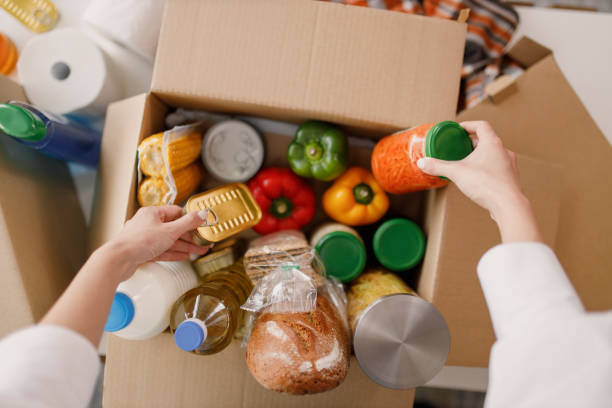
Food items require their own packing strategy.
Non-Perishable Foods
When packing pantry items:
- Use small boxes.
- Pile look-alike items into one spot.
- A seal locks shut once the bag gets touched. Plastic wraps keep things fresh longer. Each time someone opens it, the barrier breaks completely.
- Besides snacks, wrap anything breakable in its own layer. Separate meals from glassware when packing.
Packing Liquids and Spices
Faulty packaging often leads to spills when liquids move. Containers that shift allow fluid to escape along the way.
To prevent spills:
- Tighten all lids.
- Seal bottle tops with tape.
- Inside a zip-top bag goes each container.
- Pack bottles upright.
Packing ice cream for a cross-country trip? Better think again. Frozen items might not survive the journey intact. Long hauls often mean thawing, then spoiling. Delicate foods could turn risky by day three. Shifting temperatures create problems fast. Perishables on the move tend to fail when least expected.
Labeling and Organizing Kitchen Boxes
A well-organized packing system makes unpacking significantly easier.
Label Each Box Clearly
On every container, add these details. Put the required data clearly marked across each one. Include what is needed without exception on all sides. Each label must show the correct info plainly visible
- Kitchen
- Fragile (if applicable)
- Contents
- This Side Up
When things are labeled right, they get treated gently through the move. Spotting what you need afterward becomes much easier too.
Packing Order: What to Pack First and Last

Pack First
- Seasonal items
- Infrequently used appliances
- Instance of pans and food
Pack Last
- Daily utensils
- One set of dishes
- Coffee maker or kettle
Pack an “Essentials Kitchen Box” with the things you will require on moving day and during your first night you will be in your new home.
Common Mistakes to Avoid
Avoid these common moving mistakes:
- Overloading boxes
- Mixing heavy and fragile items
- Skipping protective padding
- Failing to label boxes
- Packing dirty or wet items
- Leaving empty space inside boxes
Mistakes like these? They open the door to harm while things move from place to place. Preventing them shuts that door tight.
Should You Hire Professional Packers?
When you have a busy schedule or are moving a large family, it makes sense to hire pros to do the packing. They have the right expertise on how to pack kitchenware, appliances and cutlery effectively with the least risk of breaking.
Final Thoughts
Packing your kitchen for a move can be a daunting task, but with the right approach, it can be made much easier. By following the right steps sorting and decluttering, packing non-essentials first, and using proper packing materials for fragile items like plates, glassware, and small appliances you can ensure everything stays safe and organized throughout the move. If you’re looking for a hassle-free moving experience and need help packing your kitchen or entire home, Chamomile Go is here to assist. Our expert team provides reliable moving and packing services to make your transition seamless. If you want moving and packing services, don’t hesitate to contact us at +1 310-895-3517. Let us handle the hard work while you focus on settling into your new space!
FAQs
What Is the Best Way to Pack Fragile Kitchen Items Like Glassware and Plates?
Wrap each item separately using bubble wrap or packing paper. Use dish packs with dividers for added safety. Stack plates vertically and place glasses upright in padded boxes. Fill all empty spaces to stop movement during transit.
Should I Pack Kitchen Appliances in Their Original Boxes?
Yes, original boxes offer the best fit and protection. If unavailable, wrap appliances with bubble wrap or thick towels and place them in strong boxes with extra cushioning on all sides.
How Do I Pack Pots, Pans, and Cookware Safely?
Wrap each item using towels, bubble wrap, or packing paper. Nest similar-sized pots together to reduce movement. Label the box clearly and pack tightly to avoid shifting during the move.
What Should I Do With Small or Detachable Appliance Parts?
Remove detachable parts like blades, trays, or turntables. Store them in labeled ziplock bags or small boxes and keep them with the main appliance to prevent loss.
How Do I Pack Utensils and Small Kitchen Gadgets?
Group utensils by type and pack them in a small box or container. Secure sharp items safely. Wrap small gadgets with towels or bubble wrap and use original packaging if available.