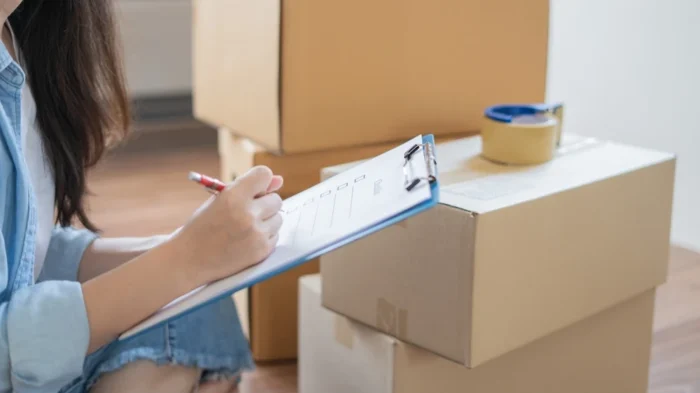
How do you pack to move is one of the first questions people ask before moving without getting overwhelmed. Packing is not just stuffing things in boxes — it’s shielding your belongings, cutting back on time and energy, and mitigating any potential stress on the day of the move.
If you’re relocating across town or to a different state, this guide will lead you through a savvy, organized, and doable packing regimen. With advice from moving advisors, such as Chamomile Go, discover how to pack well, protect your belongings, and maintain your sanity.
Why Proper Packing Matters More Than You Think
Packing is always underestimated, but it’s one of the biggest factors in how easy your move is going to be. Bad packing results in broken things, lost must-haves, and panic-stricken runs that can derail your entire move day.
Smart packing cushions your belongings and helps you keep them all within reach. It also makes for an easier load, an easier unload, and an easier unpack at your new house.
When to Start Packing and How to Plan Ahead
Starting early is the key among moving tips that ensure the success of your relocation. When time is compressed, there is more potential for things to get broken, left behind, or for stress to be needlessly amplified.
With a well-defined schedule, you can pack in a relaxed manner, room by room, and keep an eye on the progress.
Creating a Packing Timeline That Works
Start packing your non-essential belongings at least three to four weeks before moving day. Seasonal items, decoration and items you don’t use very often should be packed first.
To prepare for your move, you can start gradually shifting your focus to the items you use every day — keep your essentials where you can get at them right up until the very end.
Decluttering Before You Pack
Packing up stuff you don’t need is a waste of time, money, and space. Separate your stuff into keep, donate, and throw away piles before you start boxing.
This saves you a few boxes and makes unpacking a lot simpler when you get there.
Read More: 8 Best Packing Tips When Moving.
Choosing the Right Packing Supplies
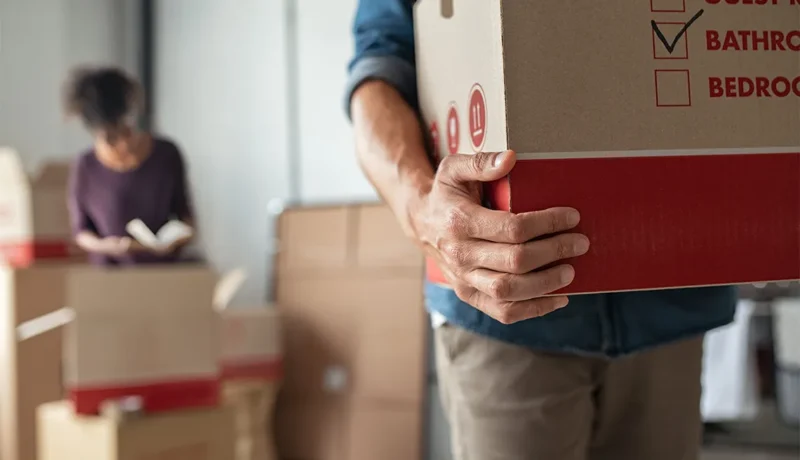
Using the right materials is essential to ensuring that your belongings are safe. Hasty or improvised packing materials can lead to crushed boxes and damaged goods.
Good packing materials add structure, cushioning and stability to the contents during movement.
Essential Packing Materials You’ll Need
Varying box sizes. Adjustable box sizes, Multiple box sizes. If you are moving, when you pack your products in boxes, you will want to get hold of a number of sturdy boxes of varying sizes. Bubble wrap, packing paper, and moving blankets are some of the most vital protections for breakable belongings.
Labels, markers, and tape are used for all your boxes so you can keep track of what’s inside and ensure everything goes smoothly on moving day.
Why Box Size and Weight Matter
Packing too much in a box is dangerous; it’s too easy to break things or injure yourself. Heavy items should be packed in small boxes and light items in large containers.
Stable boxes are easier to handle, stack, and load safely .
Room-by-Room Packing Strategy
Packing up haphazardly only creates confusion and difficulty when it’s time to unpack. A room-at-a-time plan makes organization simple and locating things later a breeze.
Don’t worry – we’ll show you how labeling your boxes by room and content will keep you organized through it all.
Packing the Kitchen Safely
Because of the nature of the items (made of glass and oddly shaped), the kitchen has to be treated with more attention. Wrap each dish individually and stack them vertically to avoid stacking pressure and potential breakage.
Liquids need to be sealed tightly and packed separately so they don’t leak in transit.
Packing Bedrooms and Closets Efficiently
Leave clothing on hangers and pack them in wardrobe boxes, or bundle them in garment bags. Shoes can be kept in small boxes to help keep their shape.
For the setup on the first night, you can keep the bedding and the pillows piled up.
Packing Electronics and Home Office Items
When possible, pack your electronics in their original boxes. Label cables so you know what they go to, and put each in a Ziploc bag or something similar so they don’t get tangled.
Back up important data before packing to avoid loss during the move.
You may read What To Pack First When Moving?
Protecting Fragile and Valuable Items
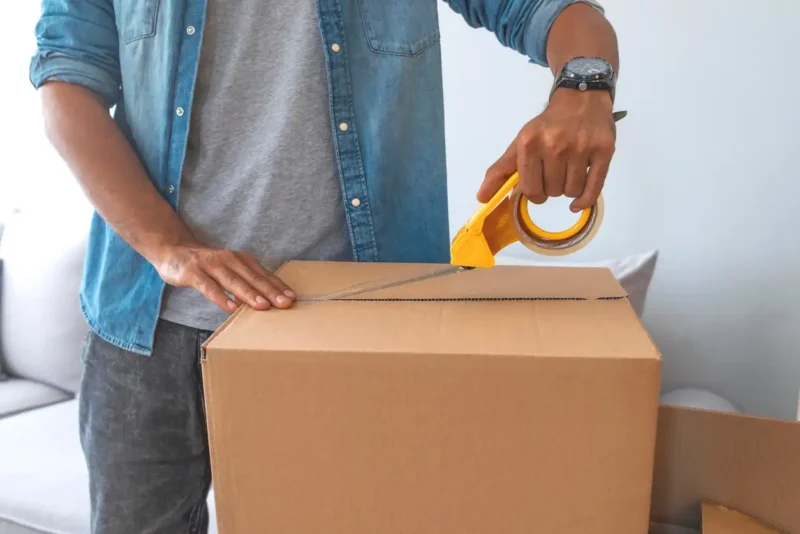
Special items need extra care to avoid damage. Appropriate wrapping and positioning in boxes can make a big difference.
Your valuables should always be packed thoughtfully and with care.
How to Pack Fragile Items Correctly
Wrap every state thing separately with padding. Gaps in boxes should be filled with material so that the contents won’t shift.
Boxes with Fragile contents should be labeled as such to instruct that they should be handled carefully.
Handling Important Documents and Valuables
Your documents, gold, and personal valuables should travel with you, not the moving truck. It’s one less thing to get lost or damaged.
And having those things close by also brings peace of mind when you’re on the road.
Packing Essentials for Moving Day
A moving day essentials kit is a good way to save time and hassle on moving day. This container should include things you’ll need right away when you’re settled.
There’s no need to rummage through boxes on your first night.
What to Include in an Essentials Box
You can pack toiletries, medication, chargers, snacks, cleaning products and tools. Also, bring a change of clothing.
This box needs to be clearly marked and within your reach.
Common Packing Mistakes to Avoid

Many folks are packing incorrectly, and they don’t even know it until they are making their move more difficult. Knowing these traps in advance means that you can relax. Planning and being organized can really make a difference.
Overpacking and Poor Labeling
Overpacked boxes are likely to burst and are heavy. Well-labeled boxes will go straight to the line of each room in the house, which makes you unpack faster. Omission of labels can cause confusion and time lost.
Waiting Until the Last Minute
Packing at the last minute is an invitation to haste-driven choices, which could cause you to break some things. Begin early to ensure a calm, orderly proceeding. “It’s not what you do the day of, the week of or even the month of – you prepare long before.”
Is There a Best Way to Pack for Moving?
A lot of people want to know if there’s one best way to pack for moving, but the truth is that efficiency is a result of organization and consistency.
Following proven packing tips for moving and taking a systematic approach will always result in better outcomes than rushing through it.
Knowing how to pack for a move the right way also minimizes physical wear and tear and ensures your possessions are protected all along the way. The smart packing tips in this section, combined with Tips for Moving from the subsequent section, will help your move go more smoothly right up to moving into your new home!
Conclusion
Knowing how do you pack to move makes you stay ahead to get a daunting experience into a manageable one. Pack with some know-how, some good coupons, and a few tips from a room-to-room packing guide and packing for moving doesn’t seem that intimidating anymore. With expert advice and a little organization, your move can be streamlined, secure and almost too good to be true from start to finish. Need professional help? CallChamomile Go for reliable packing service in Sherman Oaks and enjoy a stress-free move today.
Frequently Asked Questions (FAQs)
How long before a move do I pack?
Start packing the things you don’t use very often — a month or so before moving, if you can.
It is better if I pack myself, or hire assistance?
That depends on your schedule, your budget, and how much stuff you have. Many people opt for the best of both worlds.
How to avoid items breaking in transit?
Use the right padding, boxes are strong enough, and fill the gaps so nothing moves.
Should I pack a room at a time?
Yes – it helps keep everything organized and makes unpacking much easier.
What not to put in the moving truck?
Avoid packing important documents, valuables, medicines and personal electronics in boxes that will be loaded into the moving truck.
How do I make unpacking easier?
Clearly label your boxes and pack an essentials box for when you first move in.
Are you really saving time by hiring someone to pack?
Yes, professionals have been trained to pack in a way that minimizes the possibility of damage and allows them to do it fast.