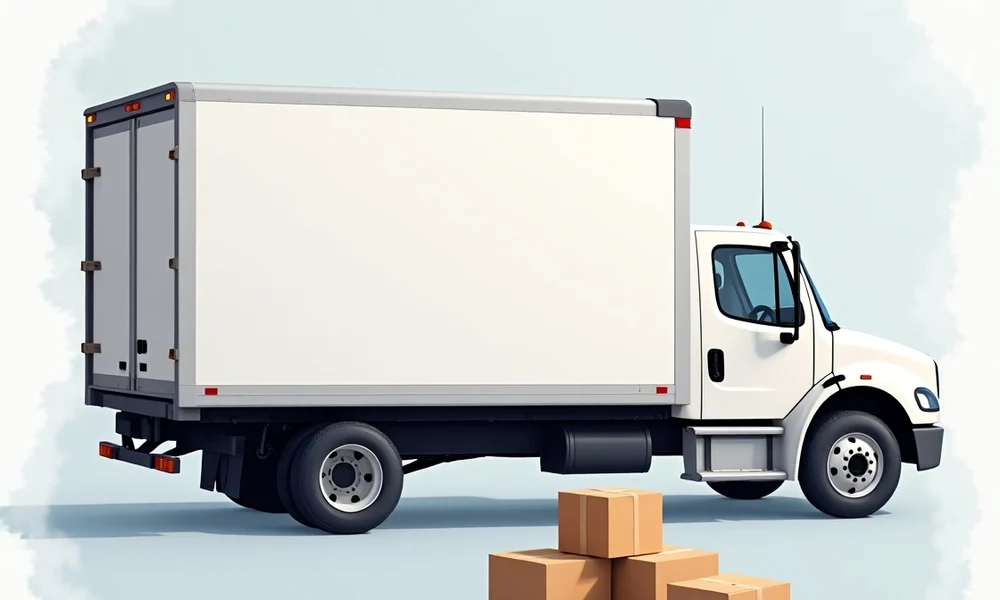
Selecting the right size moving truck is one of the most crucial decisions during your move. Select a truck that’s too small, and you’re looking at multiple trips, wasted time, and more cost. Choose one that’s too large, and you may pay more than you need to while having trouble driving it. So many people are asking what size truck do I need for moving . What size truck to hire for moving house or business?
In this all-in-one guide, Chamomile Go will explain how to determine the appropriate truck size based on your home size, your belongings, and real-life moving situations. For those of you moving out of a studio apartment or a family house, this guide will offer valuable advice to help you move with confidence.
Why Choosing the Right Moving Truck Size Matters

Choosing the right size truck is about more than convenience. It’s a big factor in your moving budget, your moving timeline, and your stress level. A truck is nothing more than a box on wheels, and the right size will let you load efficiently, protect your belongings, and get the job done in one clean trip.
An undersized moving van can lead to hurried packing and uneven loads, which again increases the chance of damage. Large trucks, meanwhile, can be more difficult to drive and guzzle more fuel. Chamomile Go focuses on intelligent design to achieve the balance between space and efficiency.
Important Factors to Consider Before Choosing a Truck
Count More Than Just Bedrooms
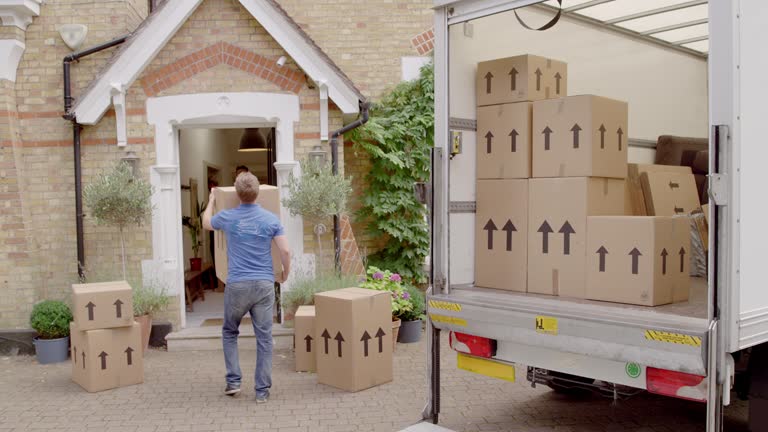
A small two-bedroom home with a lot of furniture may need the same truck as a larger three-bedroom home with minimal belongings. When planning your move, ask yourself What Size Truck Do I Need For Moving and always evaluate how much you own.
Consider Heavy or Bulky Items
Large appliances, gym equipment, heavy dressers, or large mirrors may require extra space. Even carefully packed fragile items need room to be padded and secured.
Estimate Your Box Count
From bedding to dishes to décor, boxes often take up more space than expected. A rough estimate helps avoid last-minute cramming.
Think About Weight Limits
Even if everything fits physically, trucks have maximum weight capacities ranging from 4,000 to 10,000 pounds. Overloading risks safety and added fees.
Long-Distance vs Local Moves
For longer moves, fuel efficiency matters. Choosing the smallest properly-sized truck saves fuel and money.
This is where professionals such as a relocation specialist in sherman Oaks can offer guidance, especially if you’re unsure how your items compare to standard moving truck dimensions.
Common Moving Truck Sizes and What They Fit
Having a sense of what a standard truck looks like helps you get a better idea of how much room you really need. Many rental companies have trucks available for various sizes of moves.
Getting a handle on how these options stack up enables you to make informed decisions, rather than eyeballing it. Chamomile Go often provides customers with information on realistic capacity expectations.
Small Moving Trucks (10–12 Feet)
Small moving trucks are perfect for studio apartments or dorm rooms. They usually contain a bed, a couch, a small dining set, and a handful of boxes.
Because these smaller trucks are easier to drive and park, they are great for moves in cities. But if you have large furniture, they do fill up fast.
Medium Moving Trucks (15–17 Feet)
Medium-sized trucks are often a good fit for one- or two-bedroom homes. They have enough space for large furniture, appliances, and boxes.
This size is a happy medium between size and maneuverability. Many customers at Chamomile Go have been saying that this is the perfect choice for their local residential moves, as they agree with the foot traffic!
Large Moving Trucks (20–26 Feet)
Big rig trucks are built for 3-4 bedroom homes with garages and storage areas. They can handle whole household moves in one go.
These trucks are roomy, but you have to know how to drive. Chamomile Go only recommends them when the amount of belongings you have is a no-brainer for the size.
You may read How To Pack A Moving Truck?
How to Estimate the Right Truck Size Accurately

Hiring human movers in Los Angeles is a piece of cake now that you know how much moving time you’ll need! For a dependable method that will prevent underestimating space and will make for easier loading.
Lots of movers try to estimate moving truck size by simply counting rooms, but this really works best when you also have a detailed inventory of your belongings.
Creating a Moving Inventory List
Walk through your home and make a list of everything from furniture to appliances to boxes of storage. Be sure to include closets, patio furniture, and everything in your garage.
This inventory gives a realistic visual of volume. Chamomile Go employs this methodology to offer truck sizes that genuinely meet customers’ requirements.
Using Digital Estimation Tools Wisely
Tools like a moving truck size calculator can be convenient in this day and age, but they’re not mojo perfect. They are based on averages and may not take into account special items or packing styles.
Use these tools as guides and not as answers to the equation. In conjunction with professional insight, you get a far better outcome.
Comparing Moving Truck Rental Options
Various moving truck rental sizes are made available from different companies, but all trucks are different. Interior dimensions, loading docks, and tie-downs may differ.
Making sure of these things before you book will help ensure that the truck is big enough for your belongings and your comfort level. Chamomile Go allows customers to compare options in a clear and confident manner.
Manual vs Professional Loading Considerations
If you’re loading the truck on your own, you might need additional room to stack and move safely. Expert loaders can fit more because they know how.
Accounting for this prevents loading from being too tight. We often suggest our clients go with slightly bigger trucks for DIY moves to take the edge off of stress.
Local vs Long-Distance Moves
For cross-country moving, having everything in one truck is usually the least expensive option. Multiple journeys = more fuel, more time, more wear.
You can sometimes be more flexible in local moves, but you still need to be efficient. Good planning means you don’t have to pay for more than you need.
Common Mistakes People Make When Choosing Truck Size
One common error is to underestimate the number of boxes. Small things accumulate fast and take up more space than you think.
Another pitfall is to overlook irregular items that do not stack well on top of each other. Plan for awkward pieces at the end, to avoid having to upgrade your truck at the last minute – Chamomile Go.
How Chamomile Go Helps You Choose the Right Truck
Chamomile Go offers a tailored solution for moving logistics. Rather than one-size-fits-all advice, customers are given recommendations based on real inventory and move conditions.
That eliminates wasted space and delays, and streamlines the process. Knowing which truck to choose is an assured decision and not a stressful guess.
Final Thoughts
FAQs
What if my moving truck is too small?
You might have to make more trips, which takes more of your time and fuel, and adds to your stress.
Should I go for a bigger truck just in case?
Yes, factors like running out of space are worse than having a bit of extra space.
Are professional movers able to help ballpark the truck size?
Yes, companies like Chamomile Go offer an exact evaluation.
Do moving trucks come with ramps and tie-downs?
Many rental trucks do have them, but it depends on the rental company.
How far in advance do I need to reserve a moving truck?
Early booking is better for availability and rates, during the peak seasons in particular.
Is it more difficult to drive a bigger truck?
Yes, they do, you have to take more care when driving them, particularly in confined spaces or in cities.
Does the size of the truck matter for moving insurance?
Insurance is determined by the level of coverage rather than truck size; however, space has an impact on packing safety.