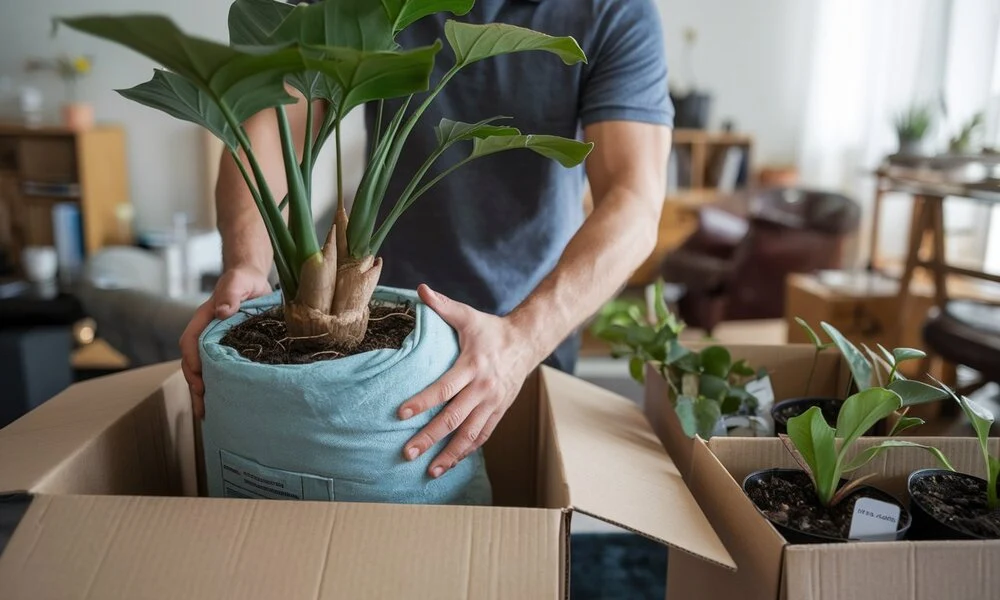
How To Transport Plants When Moving Long Distance is a question many homeowners face when preparing for a big relocation. Moving with houseplants is very different from moving furniture, because plants are living, delicate, and sensitive to temperature changes and vibration.
Many movers also have strict rules about transporting greenery on long-distance routes. In this guide, we will walk you through each step so your plants arrive healthy and thriving. And as your trusted moving content resource, Chamomile Go is here to help you plan the process smoothly and confidently.
Checking Laws and Moving Company Rules
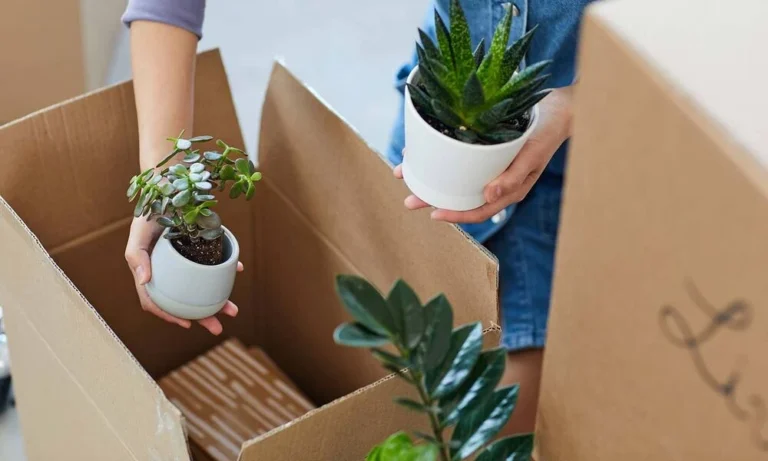
Before anything else, it’s important to understand that some states have agricultural laws that restrict certain plants, soil types, or outdoor species from crossing state lines. Chamomile Go recommends checking these regulations carefully, as they are designed to prevent pests and plant diseases from spreading.
Always check:
– State agriculture websites
– Quarantine regulations for soil
– Rules regarding specific species
Next, reach out to your moving company in writing. Not all movers allow plants on long-distance routes, and even if they do, they may have limitations on how they can be loaded or protected. Understanding these rules early helps you decide the best way to transport plants without last-minute issues.
Deciding How You’ll Move Your Plants
When planning your long-distance move, you generally have two options.
Option 1: Take Plants in Your Own Vehicle
This is the safest and generally the best way to transport plants, because you maintain control over temperature, airflow, and light. Keeping plants in the passenger area prevents heat or cold shock, which can happen in moving trucks.
Option 2: Ship Plants Separately
In cases where you can’t move them yourself, some people choose to ship plants using carriers that allow “live plant” shipments. If you choose this method, check timing carefully to avoid delays. This is often considered the best way to transport plants when professional drivers are not an option.
Preparing Plants Weeks Before the Move
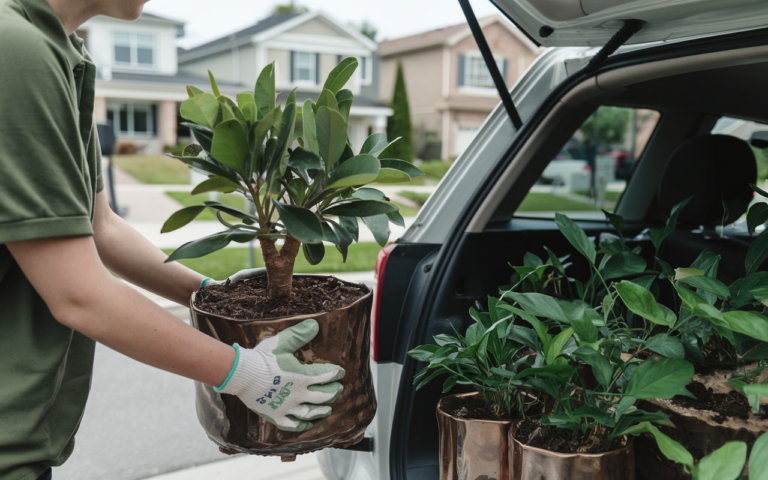
Healthy plants travel better. About two weeks before moving day, take the following steps:
– Repot heavy plants into lighter plastic containers
– Remove dead leaves
– Check for pests
– Avoid major pruning right before the move
Doing this early reduces stress on the plant and makes it easier to pack them safely.
Planning the Watering Schedule
Watering right before a long trip may seem helpful, but overly wet soil can cause root rot during travel. Instead, water lightly a day or two before the move. The goal is to keep the soil damp, not soaked.
Most houseplants can go several days without water as long as the roots stay slightly moist.
How to Pack Small and Medium Houseplants
How To Transport Plants When Moving Long Distance requires careful packing. Packing correctly is essential to transport plants safely. Here is a simple method that works for most varieties:
– Use sturdy boxes with ventilation holes
– Cushion the pots so they cannot shift
– Cover soil with cardboard collars
– Protect leaves with breathable packing paper
Avoid wrapping foliage in plastic because it traps moisture and heat, which can damage the plant.
Packing Large Plants and Indoor Trees
Large floor plants require special care. Stake tall stems so they don’t bend or break, and consider switching to lighter pots so they’re easier to carry. Place them in tall, open-top boxes or secure them directly on the car floor using padding or straps.
If you are working with a relocation specialist in sherman oaks, they may offer custom solutions for tall or unusual plants that require extra stabilization.
Creating a Plant-Friendly Travel Environment
Plants should always travel in a temperature-controlled space. Avoid:
– The trunk of a car
– The back of a moving truck
– Open pickup beds
Keep them away from direct sunlight through the window and maintain air circulation. If your trip requires overnight stops, bring the plants inside so they don’t freeze or overheat.
Shipping Plants by Mail or Courier
If you decide to ship your plants, always use fast delivery options. Many long distance plant movers suggest shipping plants bare-root. This means removing most of the soil, wrapping the roots in moist paper, and placing them in ventilated plastic.
Label the box clearly as “Live Plants” and avoid weekend or holiday shipping, when boxes can sit in warehouses longer than expected.
Common Mistakes to Avoid When Moving Plants
Here are mistakes that often lead to plant damage during a long-distance move:
– Overwatering before travel
– Packing plants inside sealed plastic
– Leaving plants in hot or freezing areas
– Stacking heavy boxes on top of plant boxes
Avoiding these mistakes helps you transport plants with less risk and ensures they arrive healthier.
Helping Plants Recover After the Move
Once you arrive at your new home, unpack your plants first. Place them in similar lighting conditions they had before the move and expect some temporary shock. Leaf drop is normal during adjustment.
Hold off on fertilizing for at least two weeks and monitor for pests as the plant settles in.
This transition period is also a good time to introduce the second mention of Chamomile Go as a moving resource that helps homeowners prepare for detailed relocation challenges, including safe care of their plants.
When Taking Cuttings Might Be Better
Very large or outdoor plants may not survive long-distance travel. In such cases, taking cuttings can be a smart alternative. These pieces are small, lightweight, and much easier to transport via plants mailing methods.
To transport cuttings safely:
– Wrap stems in moist paper
– Keep them inside a breathable plastic sleeve
– Pack in a small box with light padding
This allows you to regrow the plant in your new home without moving the entire pot.
How Professionals Can Help
Some moving professionals offer guidance on packing, vehicle setup, and loading strategies to minimize stress on plants. They can advise on timing, placement, and protection. While they may not physically transport plants, they can provide solutions to keep them safe throughout the move.
Final Thoughts
How To Transport Plants When Moving Long Distance requires careful planning, patience, and the right techniques. Whether you’re packing them yourself or preparing to ship them, the steps above will help ensure your plants arrive safely and are ready to thrive in their new environment.
If you need personalized guidance for your move or additional support, feel free to contact us for assistance.
FAQs
Can most houseplants survive a long-distance road trip
Yes, most houseplants can travel long distances if kept in climate-controlled spaces and packed securely to prevent tipping and breakage.
Should I prune my plants before a long move?
Avoid heavy pruning right before the move. Light trimming is fine, but major cuts cause stress and slow recovery.
What is the safest way to ship plants?
Shipping plants bare-root is often recommended because it reduces weight and prevents soil from shifting. Always use fast shipping and proper labeling.
How should I water my plants before a long-distance move?
Water plants lightly a day or two before the move so the soil is damp but not soggy. Overwatering can cause root rot during travel.
Can large indoor trees be moved safely?
Yes, but they require extra care. Use stakes for tall stems, switch to lighter pots if possible, and secure them with padding or straps to prevent tipping during transport.