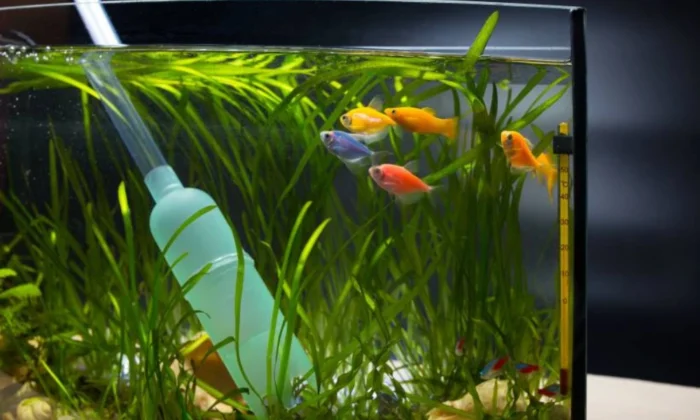
Moving a fish tank is the most fraught aspect of any home move. An aquarium is not a piece of furniture to be eased or a box of books to be shifted, for it contains living animals, fragile glass, and sensitive equipment,t all of which need to be handled with equally begrudging care. There are many puzzled aquarists concerned with How to move a fish tank without losing their fish or cracking the tank itself–with good reason.
This Chamomile Go guide will take you through the entire process, step-by-step. If you like, move your fish to their new tank immediately, provided you’re moving only a short distance.
Why Moving a Fish Tank Requires Special Planning
Aquarium tanks are ecosystems, not merely water holders. Within every fish tank exists a tenuous balance of good bacteria, water temperature, oxygen levels, and tank setup. A small disturbance is enough to stress fish and affect their well-being.
Glass tanks are also heavy and fragile, particularly when filled to the brim. Sloppy lifting or haste in the process can result in cracked tanks, broken seals, or lost fish. That’s why Chamomile Go always stresses the need to really plan, not just on moving day.
Preparing Your Fish Tank Before the Move
Preparation is the most crucial phase of the entire process. Proper planning alleviates stress on the fish and owners, and helps prevent damage that could have been avoided.
Start preparing at least a day or two in advance. This allows for rounds of shopping, washing gear, and getting conditions right for transit. A calm and structured attitude is what leads to a successful moving day.
Gather the Right Supplies in Advance
You’ll also need clean buckets with lids, fish bags or containers, towels, water conditioner and packing materials. Insulated coolers help keep water at a stable temperature while you’re on the move.
Being prepared also prevents any delays that might cause the fish to go without oxygen or stable conditions. We also suggests to clearly mark your containers to avoid mix up while unloading.
Stop Feeding Fish Before Moving Day
Fish should fast for 24 hours before the move. This minimizes the amount of waste produced as well as makes the transport water stay cleaner.
It is safe to fast most fish for a short period of time and greatly decreases the possibility of surges in ammonia levels – fasting also helps toaster fry fish! This simple tip can make a tremendous difference in whether your fish survive a moving fish tank ordeal.
How to Safely Remove Fish and Aquarium Components
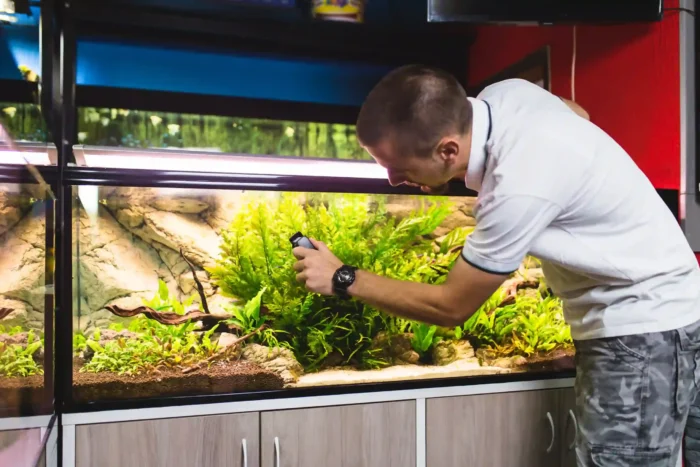
Removal of fish and equipment must be conducted with care and deliberation. This step should not be rushed to avoid injury, spills, and undue stress.
Always unplug heaters, filters and lighting first. Let the heaters cool completely before you take them out of the the tank to avoid cracking.
Transporting Fish the Right Way
Fish in clean containers are to be clean contaminated by dust in the air. Leave enough air space for the oxygen or on your way or too many.
Tighten lids securely, and keep containers out of direct sunlight and cold drafts. Maintain stability and temperature—when moving a fish tank, these two factors are pivotal for the well-being of the fish.
Handling Gravel, Plants, and Decorations
Live plants may be put into bags with damp paper towels to hold moisture. Keep gravel wet to insure good bacteria will live.
Wrap the decorations separately so they won’t be scratched or cracked. Chamomile Go advises to keep biological material separate but moist to safeguard the tank’s ecosystem.
You may read What To Know Before Hiring Movers?
Draining and Packing the Fish Tank Properly
Never move a tank with water in it. Small amounts of water can still create pressure that can cause structural damage.
After you’ve taken the fish and decorations out, drain the tank entirely. Wipe the inside with a cloth - but do not use soap or any chemicals.
Protecting the Glass Tank During Transport
Wrap the tank in moving blankets or heavy-duty towels, be sure to wrap corners and edges. For small aquariums, place in strong boxes or custom crates.
Tanks should always be transported vertically and never place heavy objects on them. Chamomile Go teaches its movers to prioritize the safety of that aquarium (if you have one, you know what I mean).
Moving Large or Custom Aquariums
Large tanks are better off with professional help or two people. The lifting force applied inappropriately can twist the frame which could cause leaks in the future.
For custom or built-in aquariums, We provide professional aquarium services to ensure safe handling and proper reinstallation of your aquarium after a move or simply to help if you’re taking on a big project.
Setting Up the Aquarium at the New Location
When the tank arrives, start setting it up right away. Fish should not be allowed to stay in transport containers longer than they have to.
Keep the tank indoors on a level, sturdy table away from direct sunlight and drafts. Nothing should be added – water or equipment – until everything is stable.
Reintroducing Water and Equipment Carefully
Pour in the saved tank water first and then add the conditioned fresh water. Replace the filters, heaters and air pumps while making sure those connections are tight.
Let the system run before reintroducing fish. This is an important step when moving aquarium setups to prevent shock.
Acclimating Fish Back Into the Tank
Float fish bags in your aquarium to bring them to the same temperature. Slowly add tank water to the containers for 15–30 minutes.
So this gradual adjustment allows fish to acclimate safely. Chamomile Go recommends to take your time in this stage, as haste may cause stress or an Illness.
Common Mistakes to Avoid When Moving a Fish Tank
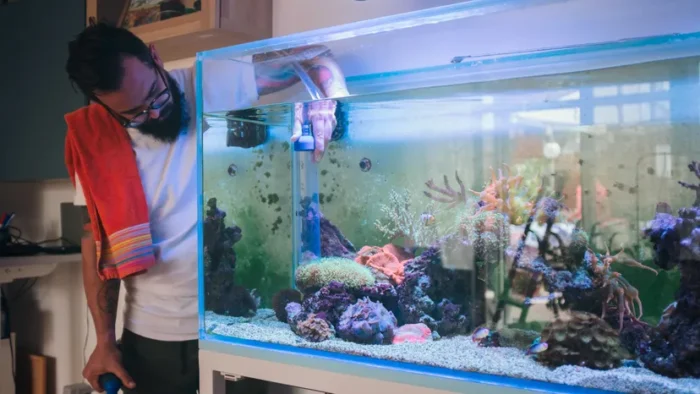
Trying to move the tank without emptying it is one of the biggest errors. Often this results in cracked glass or weakened seals.
Cleaning gravel and filter media with tap water is also a mistake, as it will kill beneficial bacteria. These mistakes throw off the balance of the ecosystem and cause problems that last for weeks post-move.
Is Professional Help the Best Option?
DIY moves are doable for small tanks with some precautions. Still, large or saltwater tanks bring more danger and difficulty.
Bringing in the professionals for your fish tank move means that your fish will be handled safely, your setup will be executed correctly, and you can avoid becoming an overstressed fish parent. Chamomile Go provides tailor-made answers according to tank size, distance, and fish species, thus becoming the best way to move fish tank safely systems.
Conclusion
Knowing how to move a fish tank will help you protect both your aquarium and the lives inside it. From preparation and transport to careful reinstallation, every step matters. With the help of professional Movers in Sherman Oaks, CA, you can avoid damage and keep your fish safe during the move. Thanks to careful planning and expert support from Chamomile Go, relocating your aquarium doesn’t have to be stressful. We handle the details so your tank arrives secure and your fish stay healthy. Contact Chamomile Go today for trusted movers in Sherman Oaks, CA, and enjoy a smooth, worry-free move.
Frequently Asked Questions (FAQs)
During a move, how long can I keep my fish in containers?
Most fish can be kept safely for several hours if the temperature and oxygen content in the water are maintained.
After a move, can I use the old tank water?
Yes, it’s beneficial to reuse some of the tank water as it helps maintain some beneficial bacteria, rather than polluting the tank stability.
After the move, do I need to change the gravel?
No, maintaining the existing gravel will help maintain the biological equilibrium of the tank.
Can I drain a tank and move it the same day?
Yes, as long as the tank is empty and you have sufficient padding.
Do you treat saltwater tanks differently?
Yes, saltwater aquariums have more stringent temperature and salinity requirements.
Are fish tanks a safe move for professional movers?
No, not all movers do. Professional services, such as Chamomile Go, are suggested.