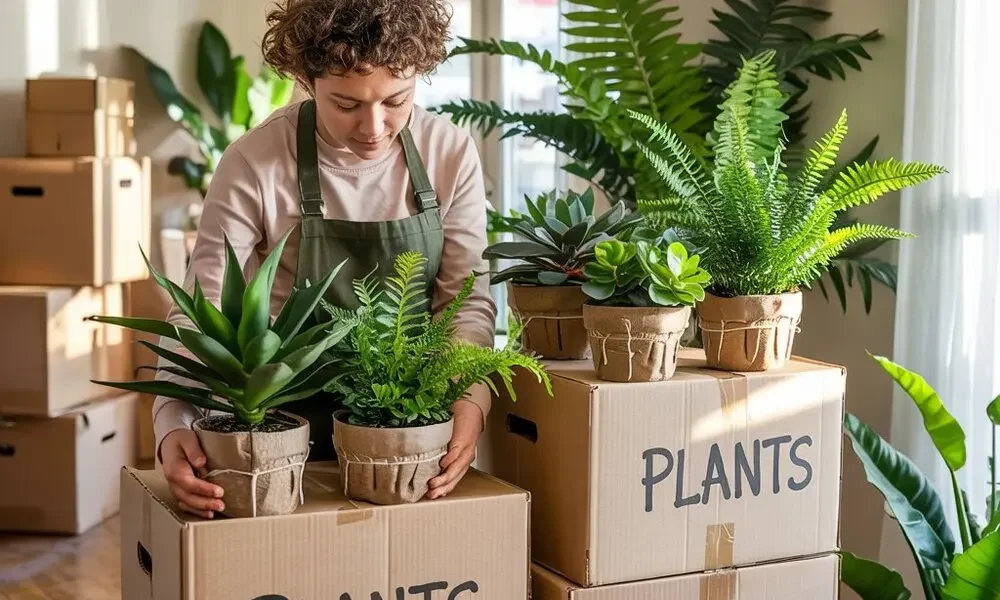
How To Move With Plants can feel overwhelming, especially if you have a variety of greenery that you’ve nurtured for years. From delicate succulents to large leafy plants, ensuring they survive a move requires planning, the right materials, and careful handling. At Chamomile Go, we understand how important your plants are, and in this guide, we’ll share practical tips to keep them healthy during relocation.
Whether you’re moving across the street or to another state, following these steps can reduce stress for both you and your plants. With the proper approach, moving your greenery doesn’t have to be daunting, and your plants can thrive in their new home.
Preparing Your Plants for the Move
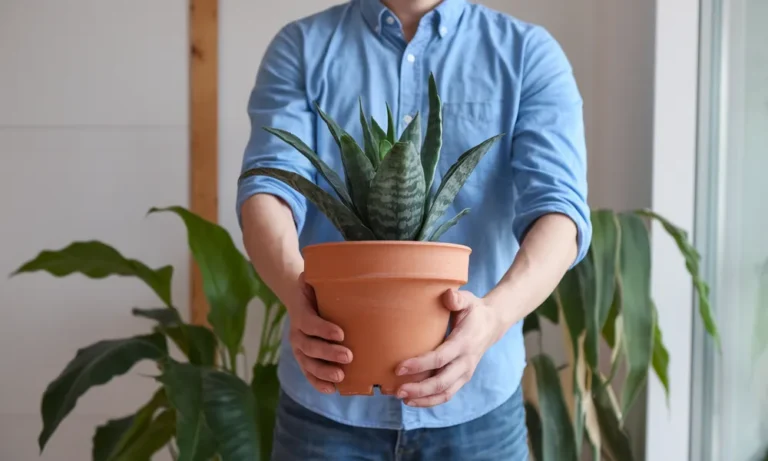
How To Move With Plants, preparation is key before you start packing. Plants can experience shock from changes in environment, temperature, and light, so giving them a little extra care before the move helps reduce stress.
1. Prune and Clean
- Remove any dead leaves or flowers to prevent decay during transit.
- Check for pests and treat affected plants before packing.
- Dust leaves gently with a soft cloth to ensure better photosynthesis once they are settled.
2. Water Strategically
- Water plants a few days before the move, but avoid overwatering. Wet soil during transport can cause root rot or leaks.
- For long-distance moves, slightly dry soil is better than soaking wet soil.
3. Check Pot Stability
- Ensure that plant pots are sturdy and won’t tip over easily.
- Use heavier pots for large plants to avoid tipping during transport.
Packing Plants Safely
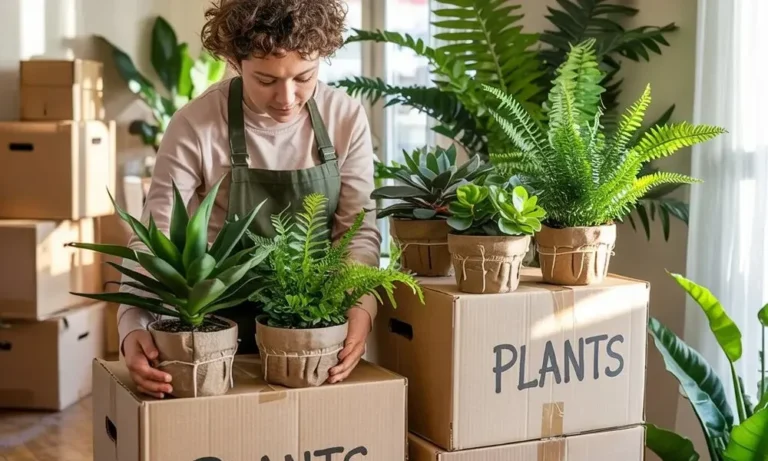
Packing plants properly is the most important step in reducing stress and preventing damage. At Chamomile Go, we recommend using the right materials, as they can make all the difference in keeping your plants safe during a move.
1. Choose the Right Containers
- Small plants can go in cardboard boxes with shredded paper or newspaper to keep them stable.
- For larger plants, use plastic bins or pots with drainage holes covered by a plastic bag to prevent spills.
- Consider using plant-specific moving boxes if available.
2. Protect Leaves and Stems
- Wrap delicate leaves and stems in soft materials such as newspaper or bubble wrap.
- Avoid tightly wrapping the plant, which could damage foliage.
- Use stakes for tall plants to prevent bending or breaking during transit.
3. Consider Soil Alternatives
- For some plants, especially succulents or herbs, removing the soil can reduce mess and weight. Learn how to transport plants without soil by wrapping the roots in damp paper towels and placing them in a breathable container.
During the Move
Once plants are packed, how you handle them during the move matters just as much as packing.
1. Temperature and Ventilation
- Keep plants away from direct sunlight in a moving truck; sudden temperature changes can stress them.
- Avoid placing plants in areas with drafts or near air conditioning vents.
2. Placement in Vehicle
- Place plants on a flat surface rather than stacking them on top of boxes.
- Smaller plants can fit in cardboard boxes for stability, while larger plants should sit upright and be secured with cushions around the base.
- If you’re hiring moving companies sherman oaks, ask about their experience with transporting plants safely. Many professionals have techniques to reduce stress during transit.
3. Minimize Movement
- Limit the number of times plants are moved during the journey. Constant shifting increases the risk of damage.
- Drive carefully, especially around sharp turns and sudden stops.
Settling Plants in Your New Home
After the move, your plants will need a little attention to help them acclimate.
1. Unpack Gradually
- Avoid placing plants immediately in direct sunlight.
- Give them time to adjust to the new environment before resuming a full watering schedule.
2. Inspect for Damage
- Check leaves, stems, and roots for any signs of stress.
- Remove damaged parts to encourage healthy growth.
3. Resume Normal Care
- Once plants settle in their new environment, gradually resume normal watering, fertilization, and light exposure.
- Chamomile Go recommends monitoring plants closely for the first two weeks to ensure they recover from the move.
Tips for Reducing Plant Stress
Moving can be stressful for plants, but simple precautions can help.
- Keep plants together for easier monitoring and care.
- Use lightweight pots for easier handling.
- If moving long distances, consider shipping plants separately or using a professional plant transport service.
- Remember that does moving plants stress them? A controlled, well-prepared move reduces the stress significantly.
Using these practices, moving with plants becomes manageable, and your greenery can thrive in its new environment.
Final Thoughts
Moving doesn’t have to mean leaving your plants behind. By planning ahead, packing carefully, and following the best practices for How To Move With Plants, your greenery can adapt to its new home with minimal stress.
For professional assistance and expert advice, contact us to make your relocation smooth and worry-free. Chamomile Go is here to help you keep your plants healthy during every step of your move.
FAQs
Can I transport plants in a car for a long-distance move?
Yes, but make sure to secure them upright, avoid direct sunlight, and monitor temperature to prevent stress. Use breathable wrapping for delicate plants.
How long can plants survive without soil during transport?
Most plants can handle short periods without soil if the roots are wrapped in damp paper towels. Avoid long periods to prevent dehydration.
Should I prune plants before moving?
Yes, pruning dead or excessive foliage reduces the risk of damage and helps the plant focus energy on healthy growth after the move.
How do I prevent plant pots from tipping over during a move?
Use sturdy boxes or bins, add cushioning around the base, and place plants on a flat surface in your vehicle. Heavier pots should go on the floor, and lighter ones can be grouped together for stability.
Are there specific plants that are more sensitive to moving?
Yes, tropical plants, succulents, and flowering plants are generally more sensitive. They may need extra care, such as wrapping leaves, limiting sun exposure, and keeping roots slightly moist during transport.